
There are places in the world where wine isn’t just poured, it’s lived. Rioja — Spain’s most iconic wine region — is one of them.
It’s where vineyards spill across medieval hillsides, and every glass seems to hum with history. You can feel the centuries in the soil and see the future in the hands of those who tend it.
The past month I spent with my daughter in Spain was a moment in time and place that I’ll never forget. If I had to describe it in just two words, it would be lucky days. She knows exactly what I mean. I feel so fortunate to be able to explore the wine regions of the world with my daughters — one in Australia, one here in Spain. Each trip has been its own adventure, each one special in its own way… and this time, it led us to Rioja.

A LAND WITH A VOICE
Rioja isn’t just one region — it’s a mosaic of three distinct zones: Rioja Alta, Rioja Alavesa, and Rioja Oriental. Each has its own sense of place — shaped by elevation, soil, and climate uniquely expressed in every vintage.
Our wine journey lingered mostly in the higher elevations of Rioja Alta and Rioja Alavesa, where medieval villages perch on hilltops and the air feels steeped in history.

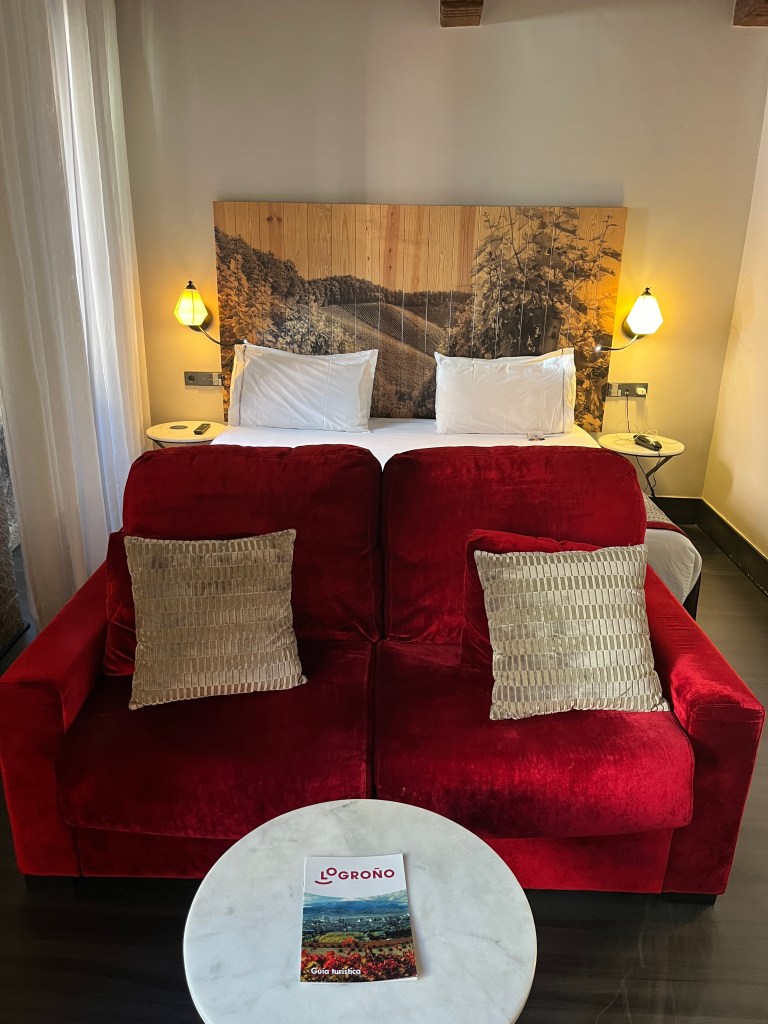
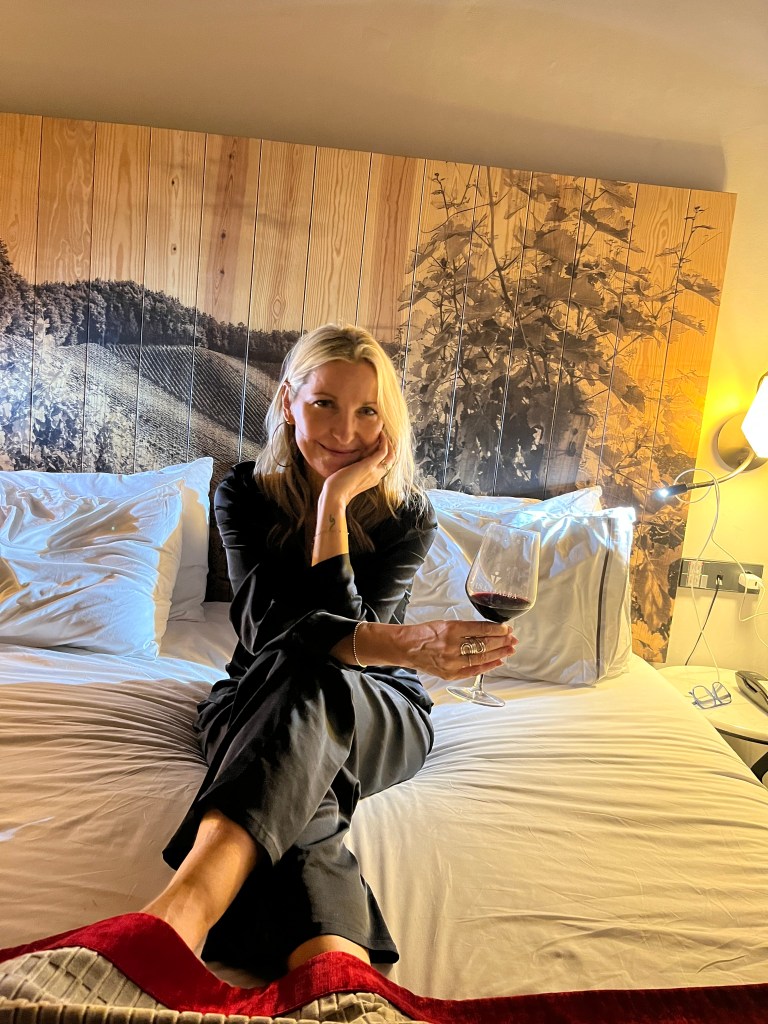
We stayed in Logroño, the capital of La Rioja, along the Ebro River – the lifeline of the region. Our hotel – Eurostars Fuerte Ruavieja – was historic and charming (we loved our room!), and just a short walk to the famous Calle del Laurel – a lively, narrow street packed with people, pintxo bars, and local wine in the heart of old town.
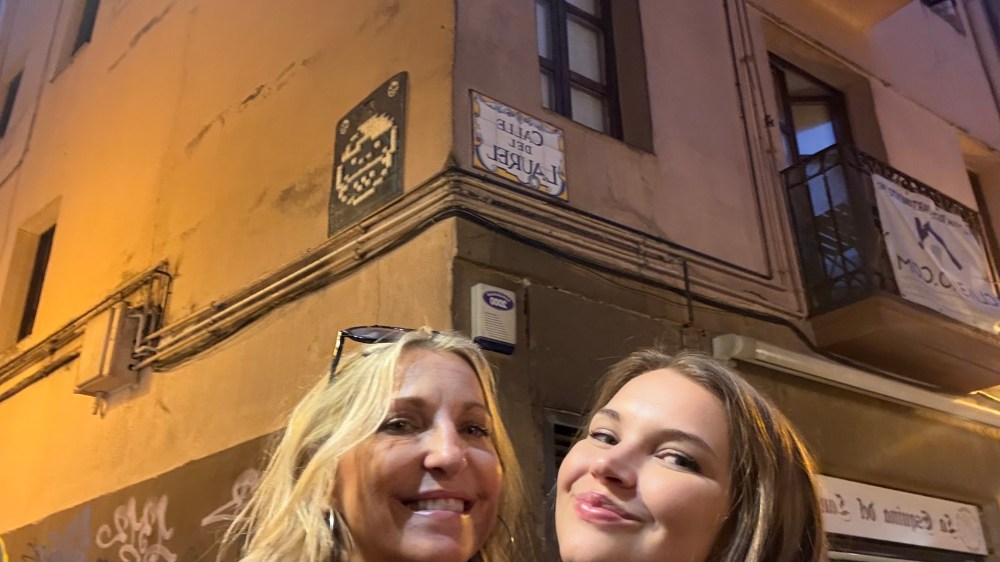
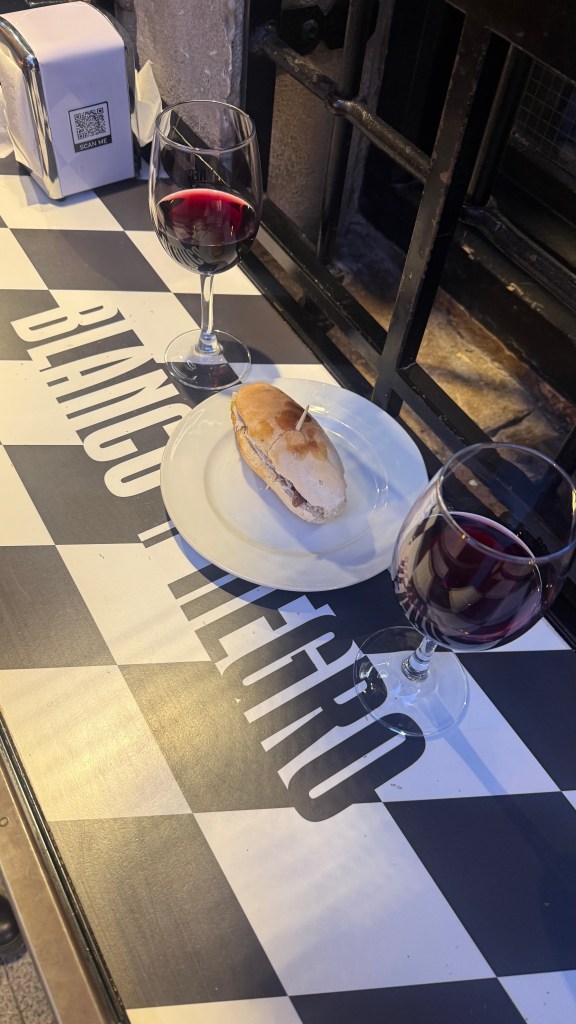
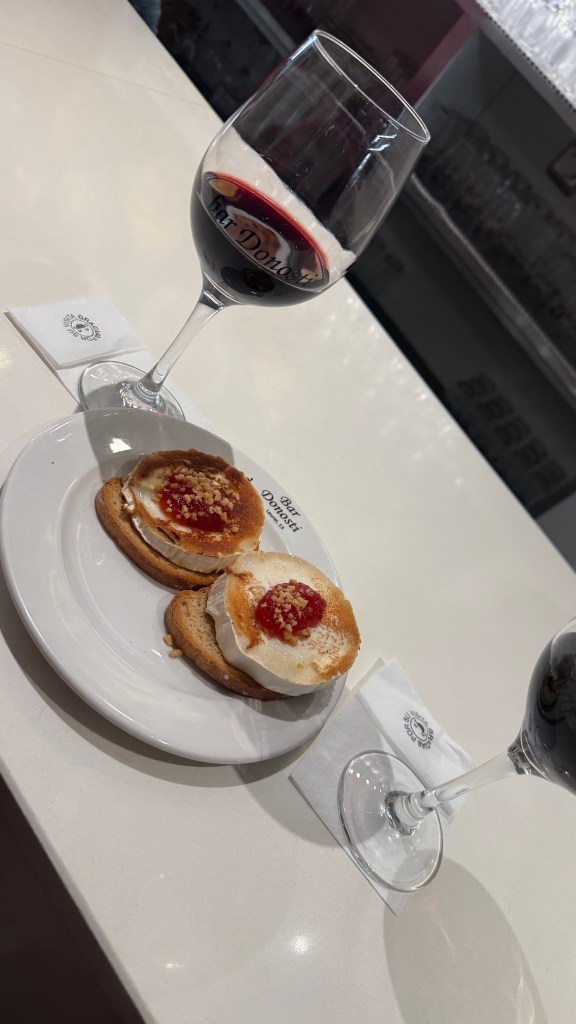
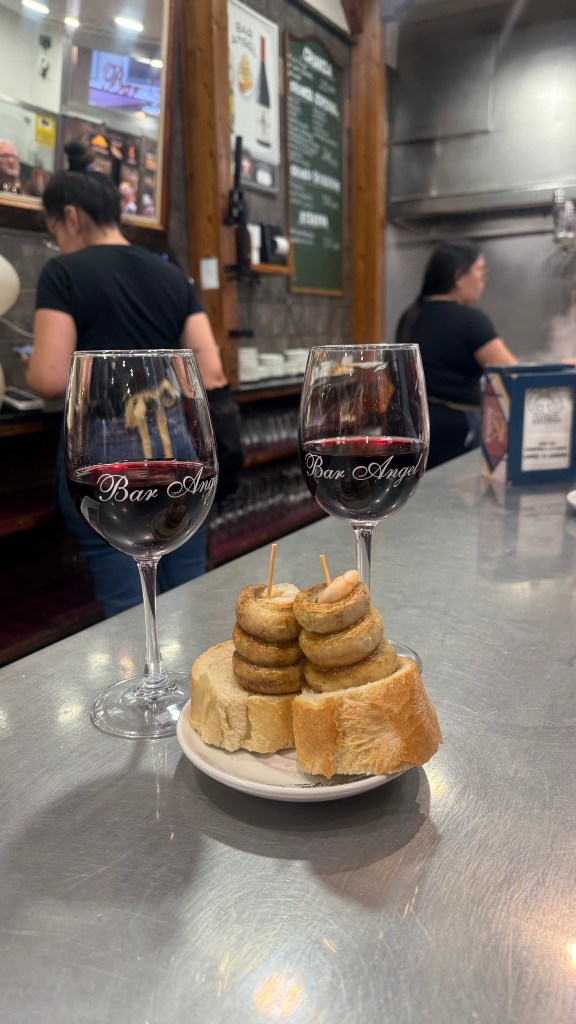
The hotel also sits on the Camino de Santiago route, where we watched modern-day pilgrims pass by on the cobblestone streets, their backpacks and walking sticks in hand.
Our own pilgrimage, however, led us not to cathedrals but to vineyards — to taste the soul of Rioja itself. Here, 87% of the vines are Tempranillo, rounded by Garnacha, Graciano, and Mazuelo (Carignan), with whites like Viura and White Tempranillo adding their unique voices.
Marqués de Riscal – Where Tradition Meets Titanium

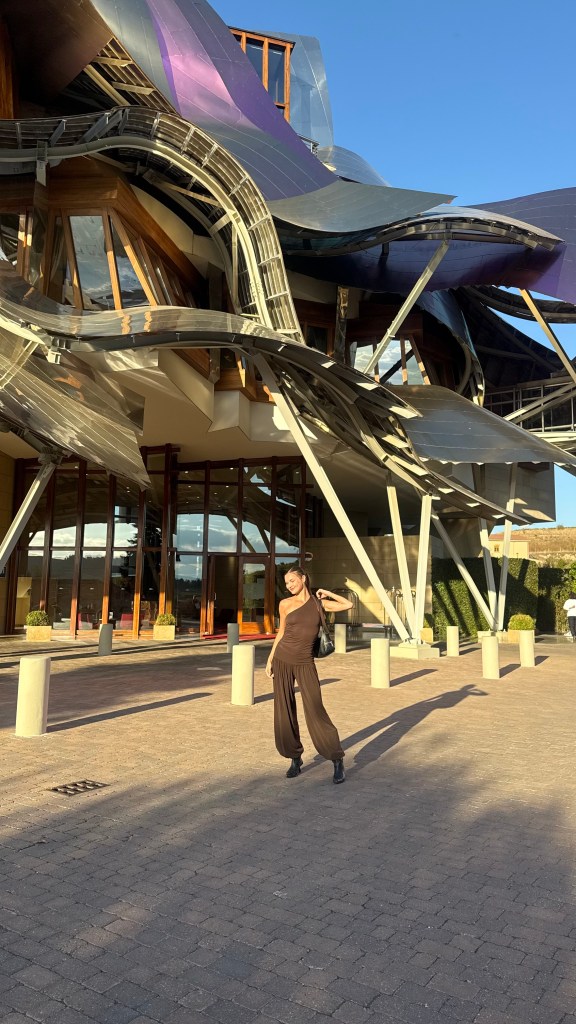
Our Rioja adventure began with a twenty-minute taxi ride from Logroño to Marqués de Riscal, one of Rioja’s originals. Founded in 1858, Marqués de Riscal is a name revered among wine lovers and was recently awarded Best Vineyard in the World in 2024. But nothing quite prepares you for the sight of the winery itself.
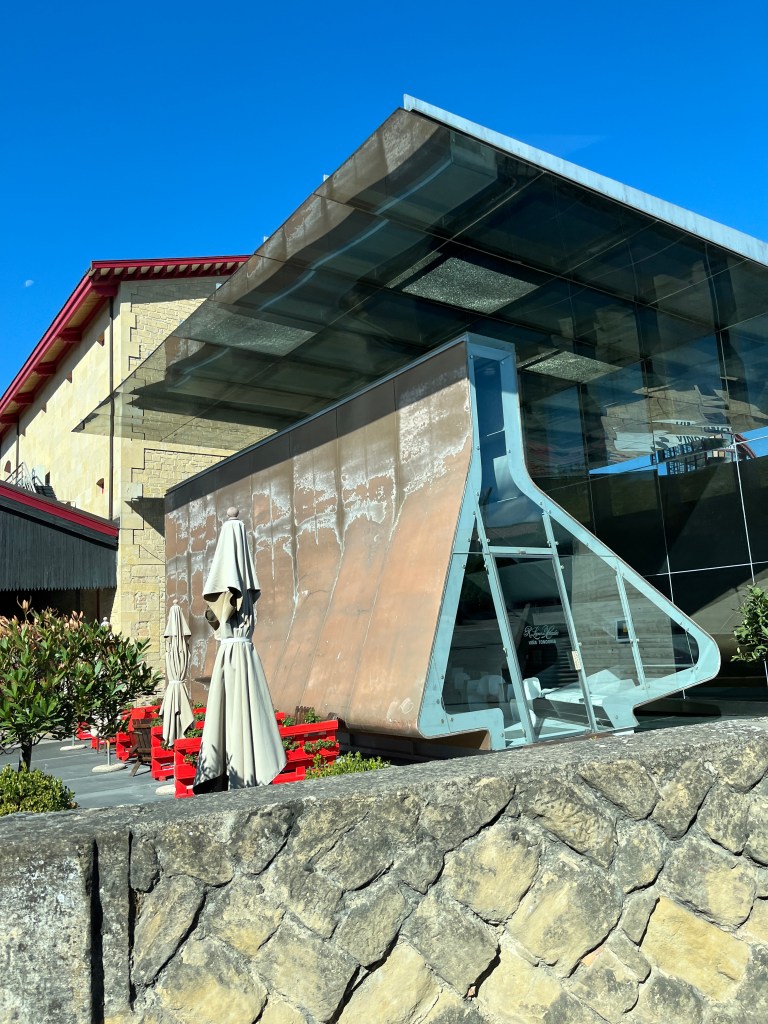
Designed by Frank Gehry — yes, the same visionary behind the Guggenheim in Bilbao and the Art Gallery of Ontario in Toronto — the structure gleams above the vineyards, a swirl of satin titanium ribbons reflecting the winery’s signature colours: pink (for red wine), gold (the bottle braid), and silver (the foil cap). It’s part art, part architecture, and completely surreal against the quiet Rioja countryside.
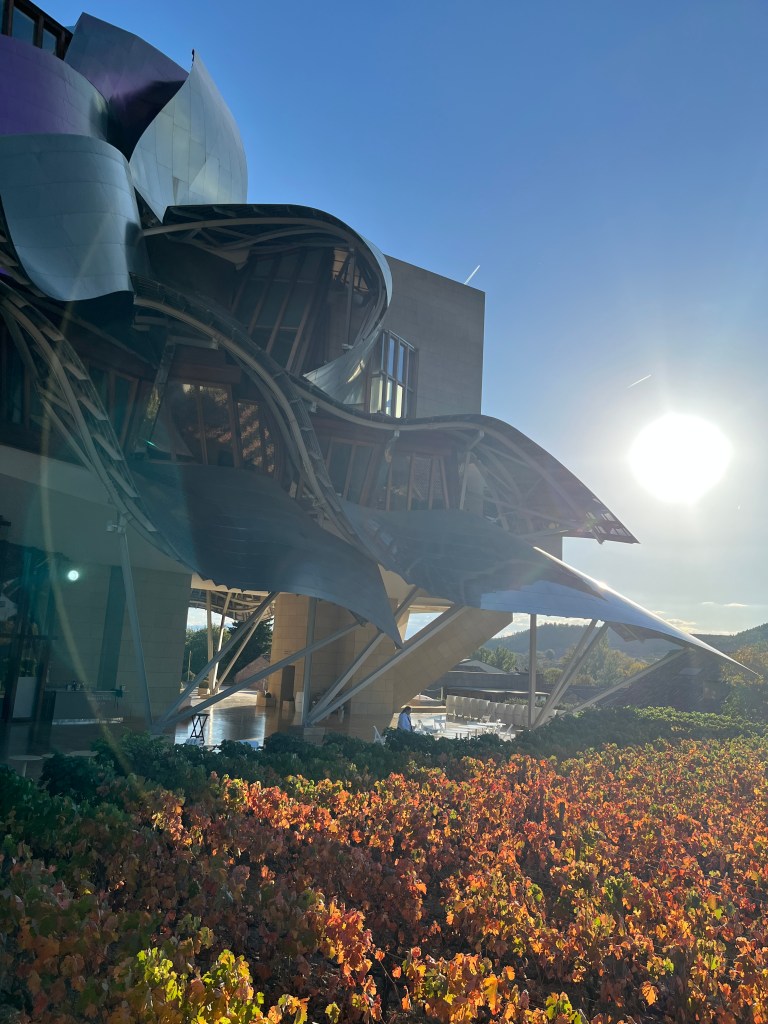
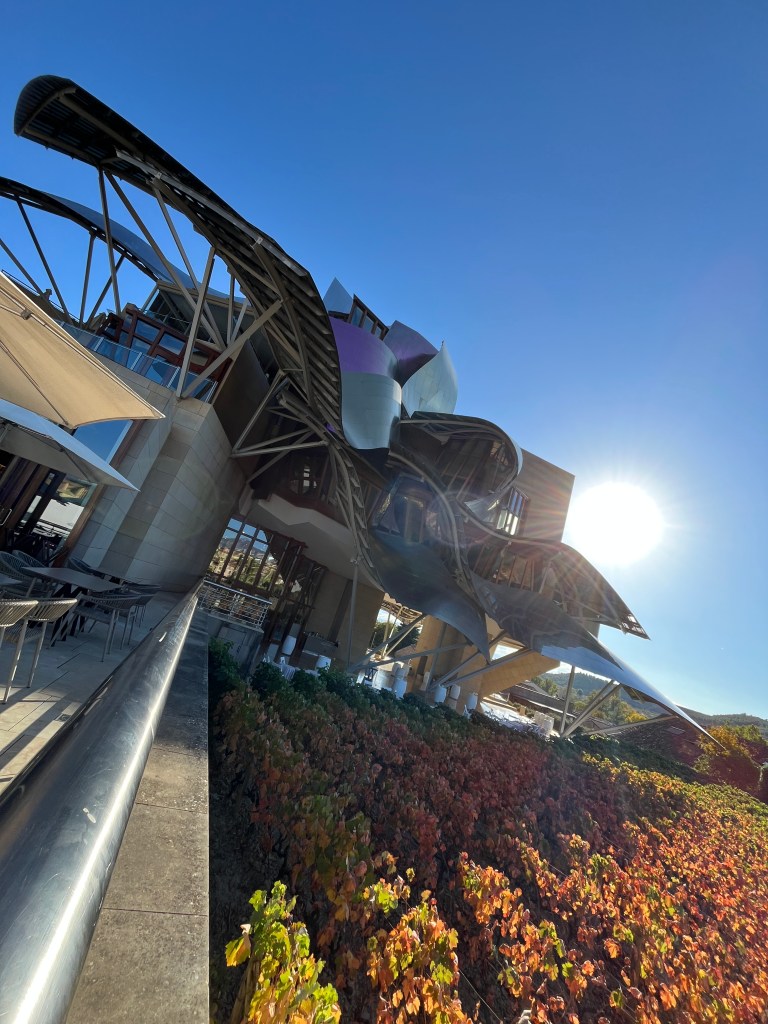
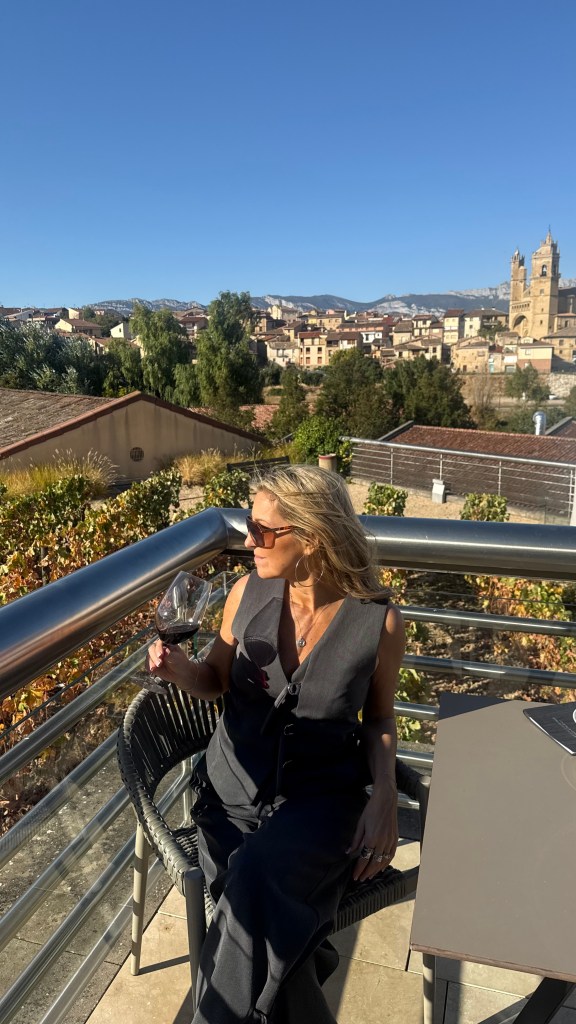

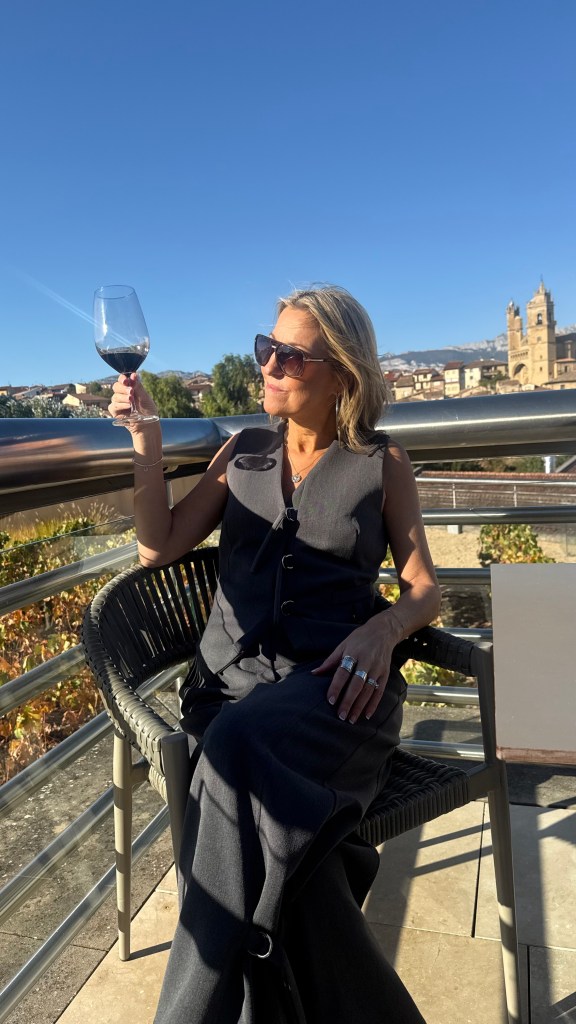
Inside, the experience is equally refined. You can tour the original 1860 cellars, home to a priceless collection of antique vintages. But if time is short, my advice: skip the formal tour and enjoy a glass in the hotel’s wine bar. It’s here, surrounded by Gehry’s wave-like architecture, sweeping vineyard views and the enchanting village of Elciego, that Rioja truly reveals itself.
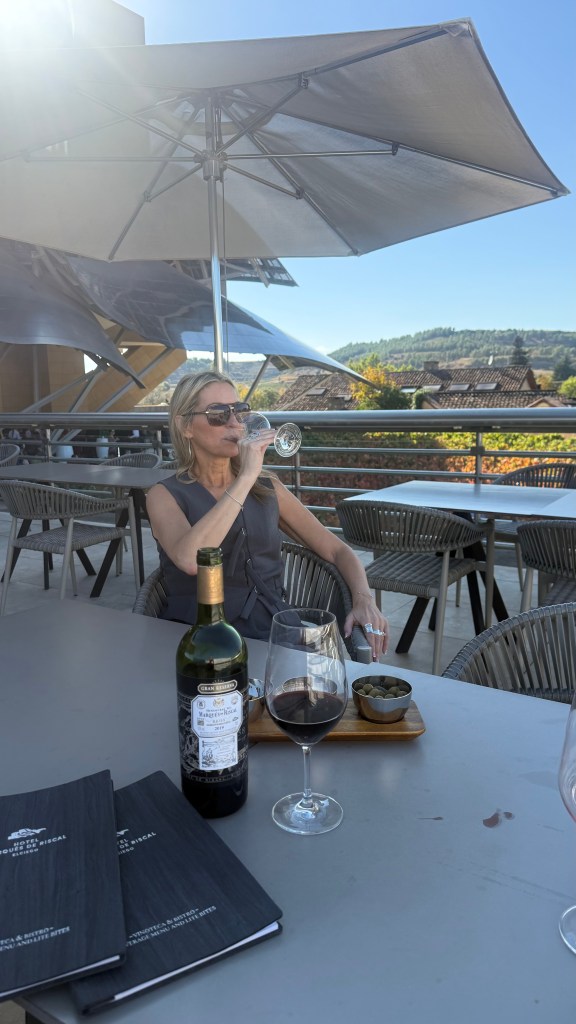

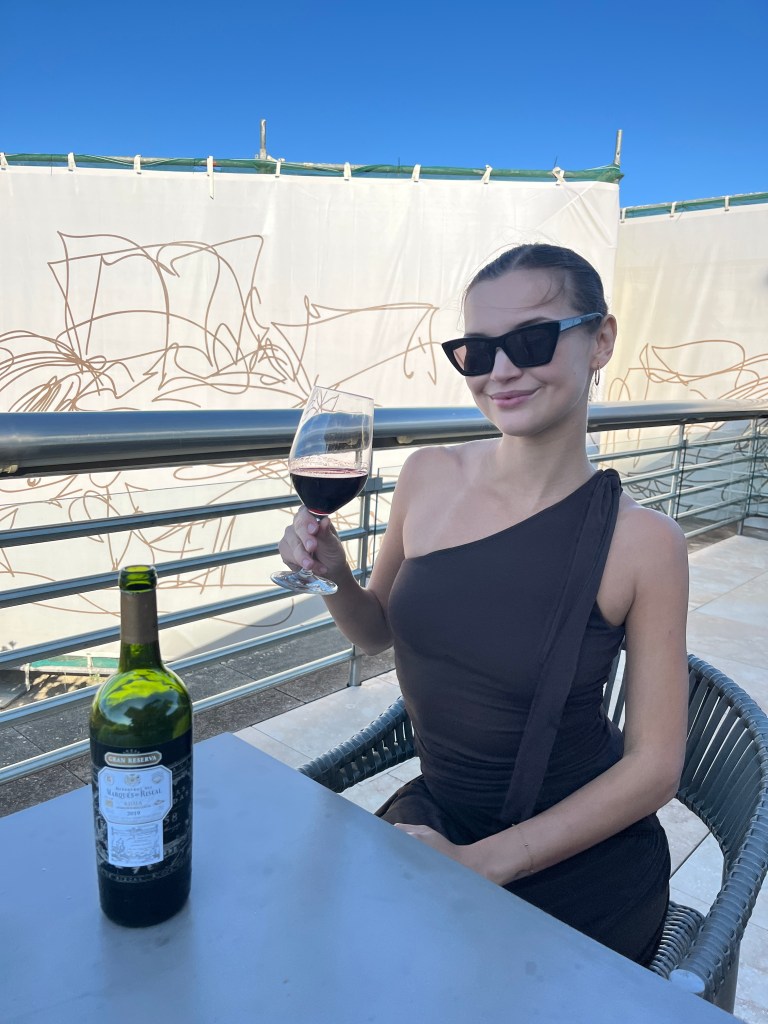
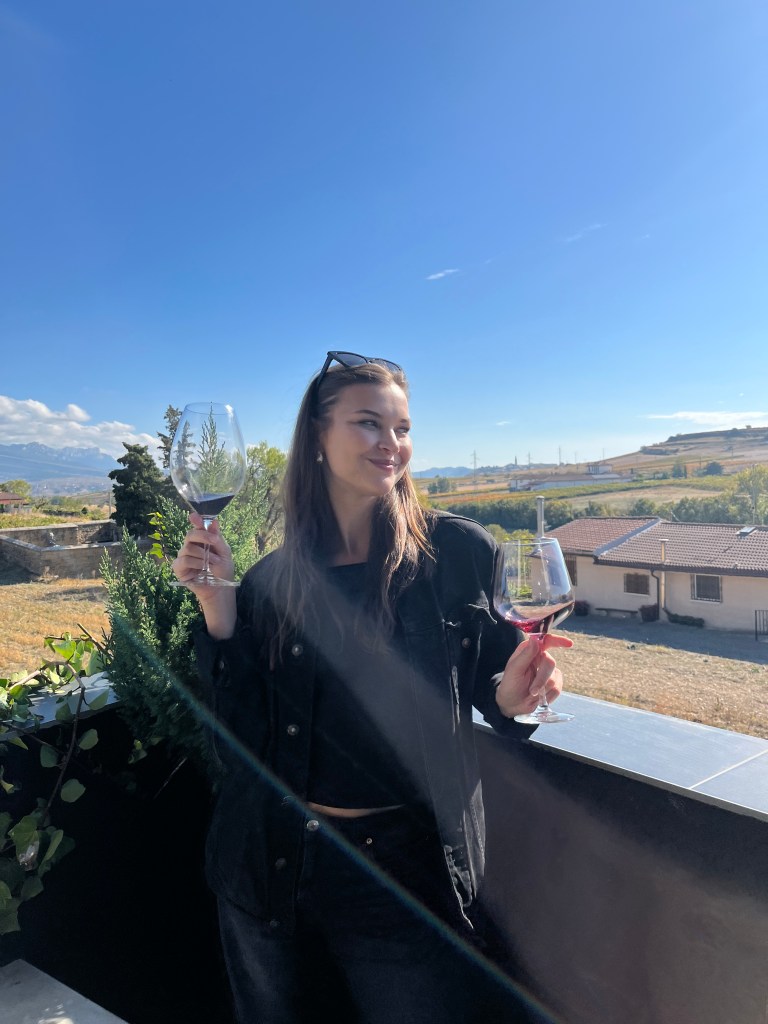
We arrived late afternoon just as a wedding was taking place on the grounds, yet somehow the wine bar was blissfully empty. It felt like our lucky day (tenemos suerte, as they say). With a glass of 2019 Gran Reserva Rioja in hand, we admired Gehry’s masterpiece overhead and watched the light of the autumn golden hour shift across colourful vineyards.
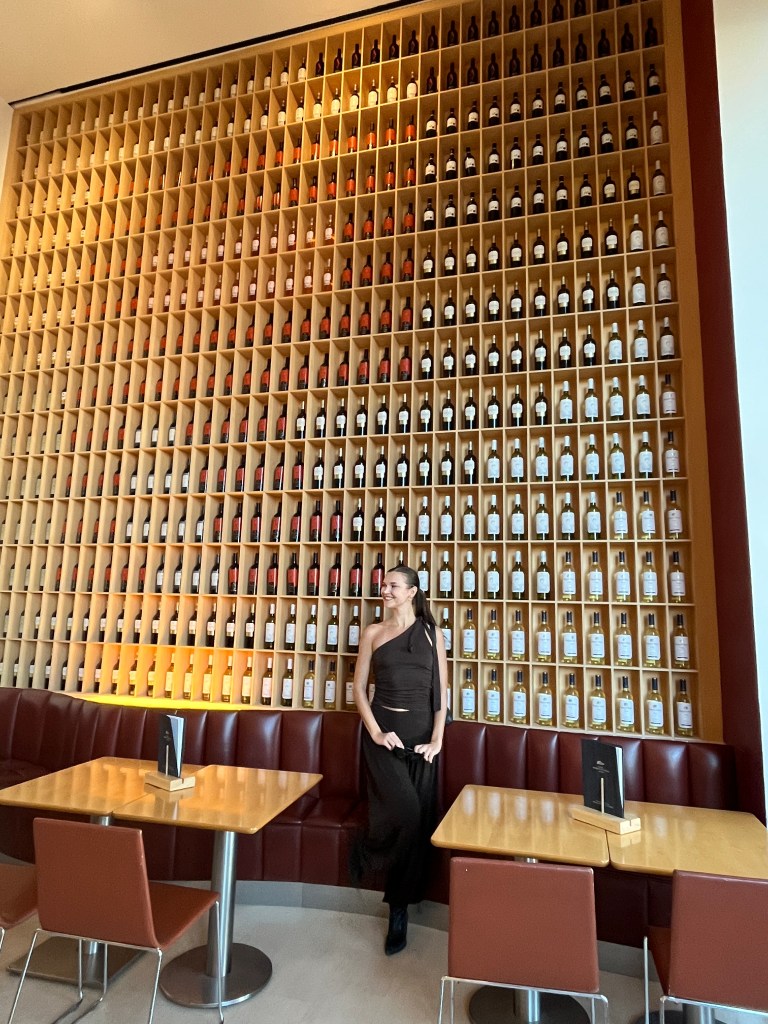
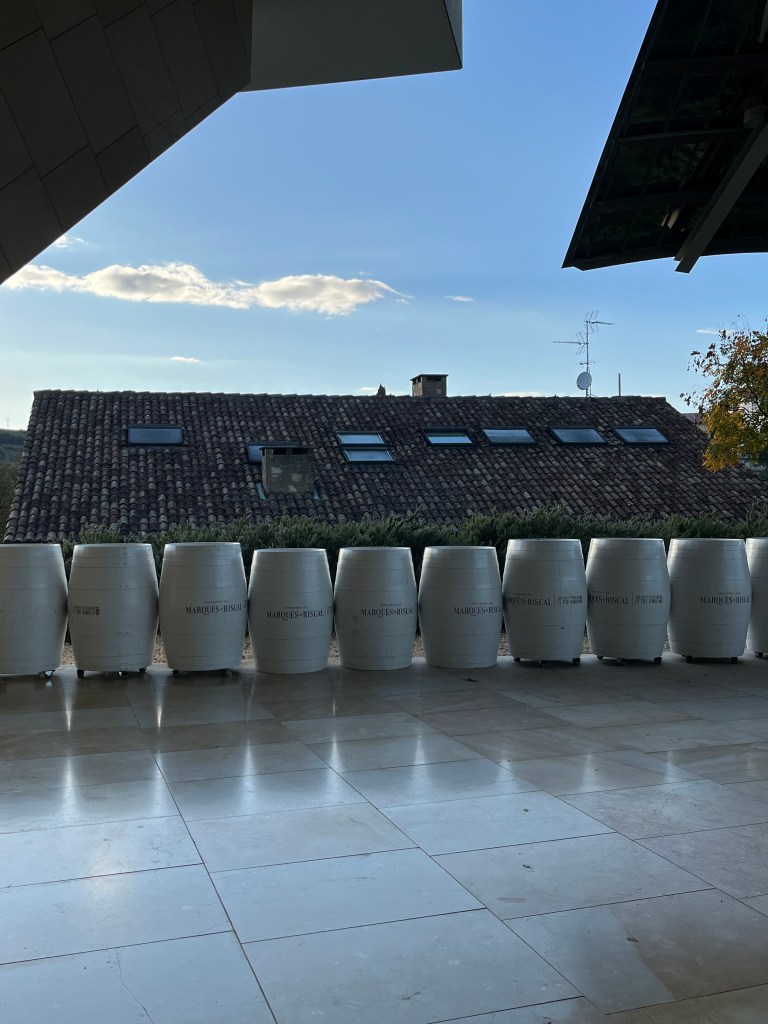

Marqués de Riscal is a harmony of heritage, innovation, and daring vision. Behind the name lies a remarkable woman: Juana Zavala y Guzmán, who took over after her husband’s death and registered the brand Herederos del Marqués de Riscal. Under her leadership, the winery made history — in 1895, it became the first non-French wine to earn the Diploma of Honour at the Bordeaux Universal Exhibition, cementing Rioja’s place on the world stage.
“The Unusual Suspects” Tour – Three Winemakers, Three Voices
The next day brought a change of rhythm. Guided by Inma, the founder and curator of Rioja Wine Trips, we set off on The Unusual Suspects tour — a celebration of Rioja’s small producers rewriting the rules. We began early, with Inma declaring that 11 a.m. is scientifically the best time to taste wine. Who were we to argue with science?
The day’s playlist: Cor de Mei, Bodegas Tierra, and Cupani — three wineries proving Rioja’s future is every bit as exciting as its past. These hidden gems craft small batches of high-quality wines found mostly in Rioja or on select restaurant lists.

Rules of Rioja — and How They’re Changing
Since earning Spain’s highest designation, Denominación de Origen Calificada (DOCa), Rioja has long defined excellence by time — how long wines age before release. But today, that story is evolving toward a sense of place.
Here’s the traditional framework:
- Generic Rioja (green label) — vino joven, young, fresh, unoaked and meant to be enjoyed now.
- Crianza (red label) — Two years minimum, one in oak. Vibrant signature of an everyday Rioja.
- Reserva (purple label) — Three years aging, one in barrel and six months in bottle. Balanced and structured.
- Gran Reserva (blue label) — Five years minimum, two in oak and up to three years in bottle. Deep and elegant. Typically released a decade after harvest.
Fun fact from Inma: During the phylloxera epidemic, French merchants asked Spanish producers to “reserve” their best wines — and the term reserva was born.
Yet, even as Rioja honours its heritage (celebrating 100 years since its official designation in 1925), a quiet evolution is underway. A new generation is spotlighting place — village wines (Vinos de Pueblo) and single-vineyard bottlings (Viñedo Singular) — showing that Rioja’s future lies not only in time, but in terroir.
Cor de Mei – The Heart of Wine
After the grandeur of Marqués de Riscal, our next winery offered a more personal note — a reminder that Rioja’s real magic often lives in its small, family-run wineries.
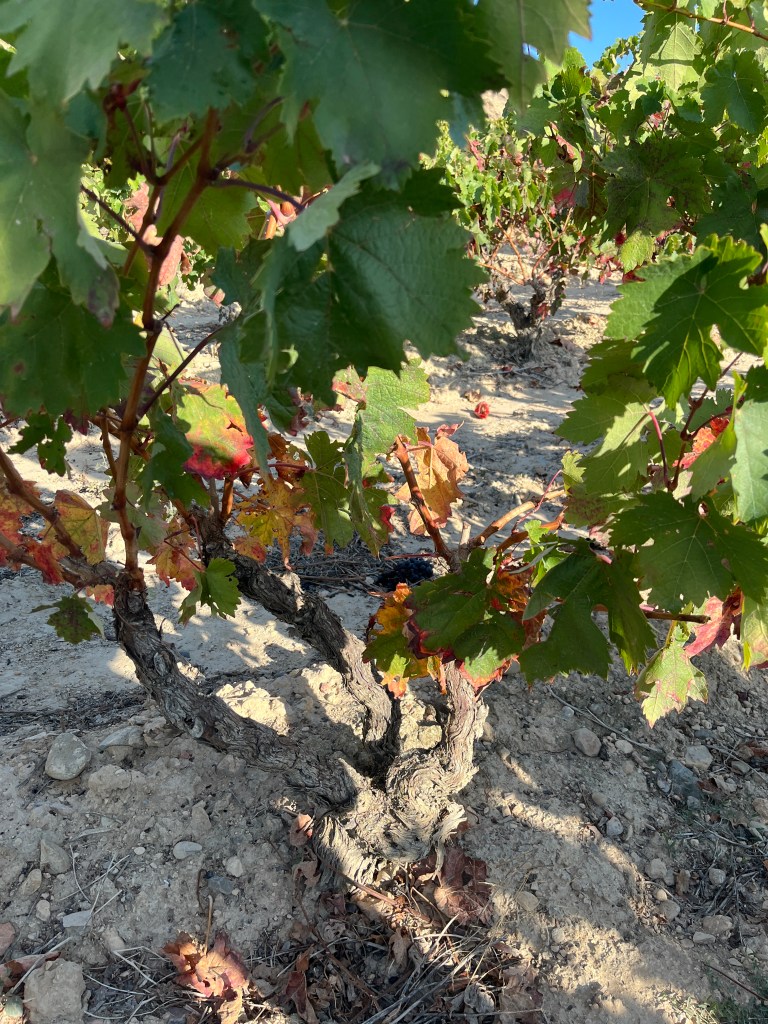

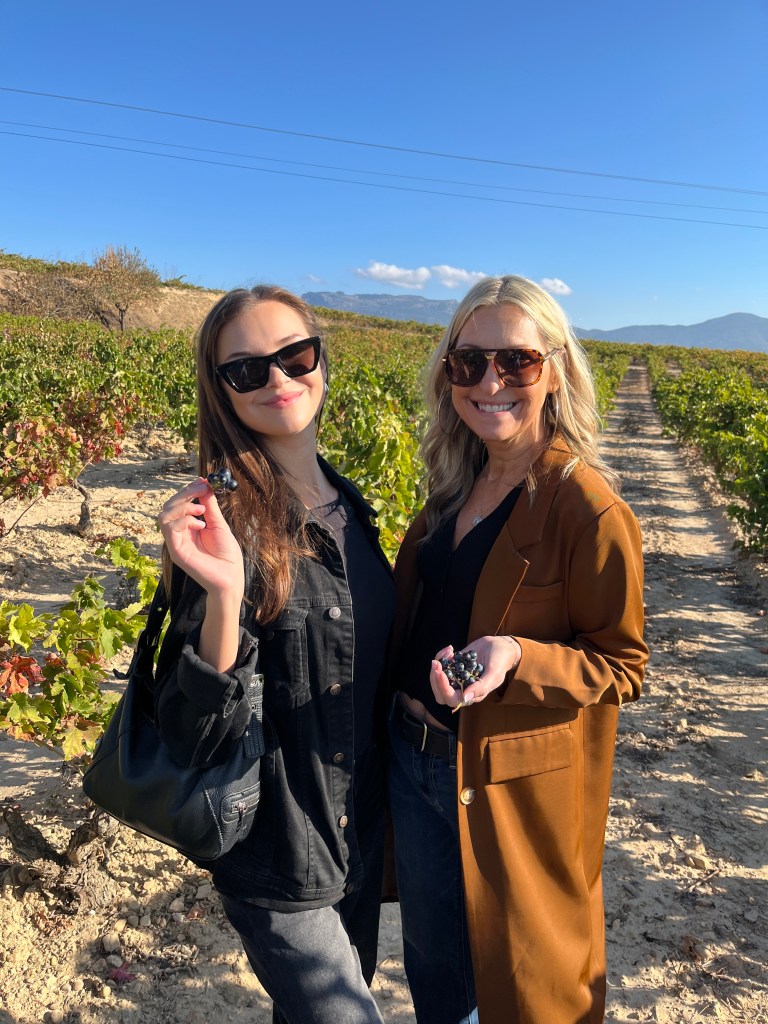
We entered Rioja Alta. Perched near the top of the pretty medieval village of Gimileo, Bodegas Cor de Mei is a family-run winery led by winemaker Alberto Pérez Díaz whose passion runs deep. His family’s vineyards stretch between Briones and Ábalos, and everything here — from vine to glass — is done by hand, with heart.
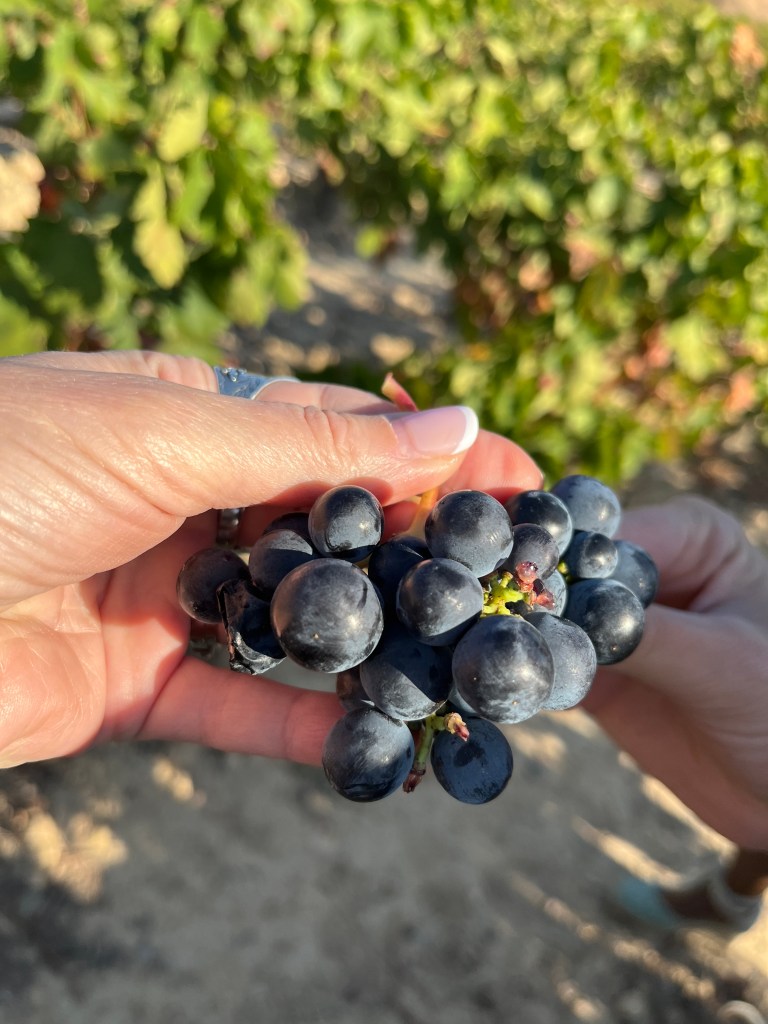
Alberto greeted us in the vines with freshly picked grapes. Harvest had just ended, but a few clusters still clung to the rows — a quiet reminder of nature’s rhythm.

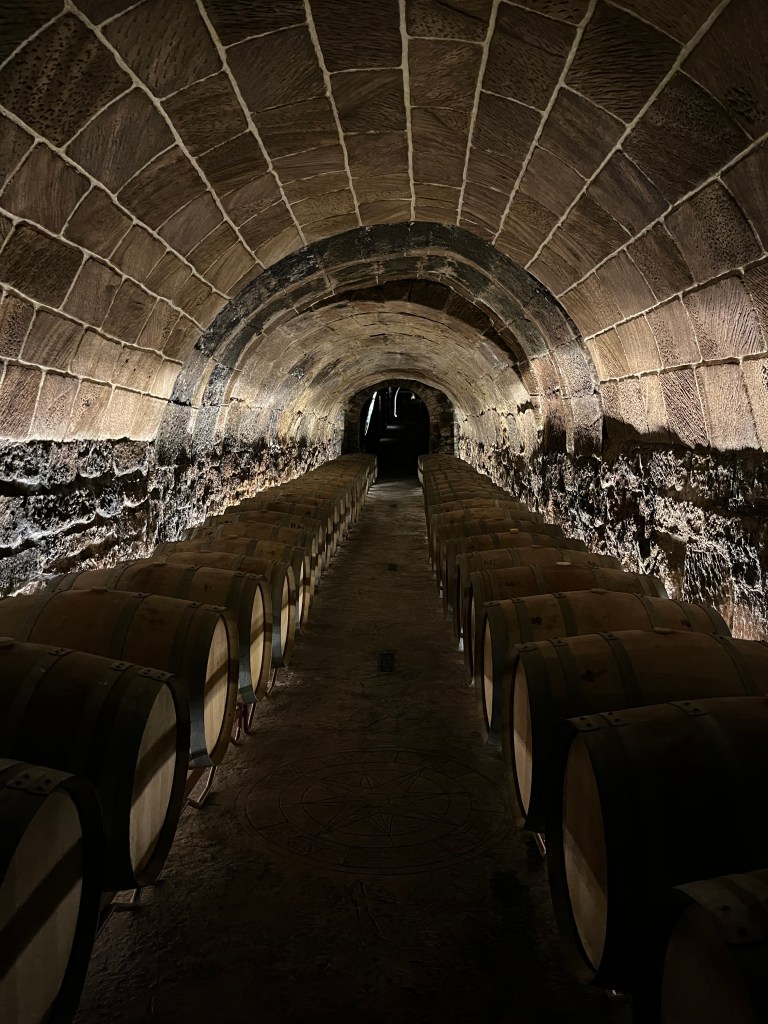
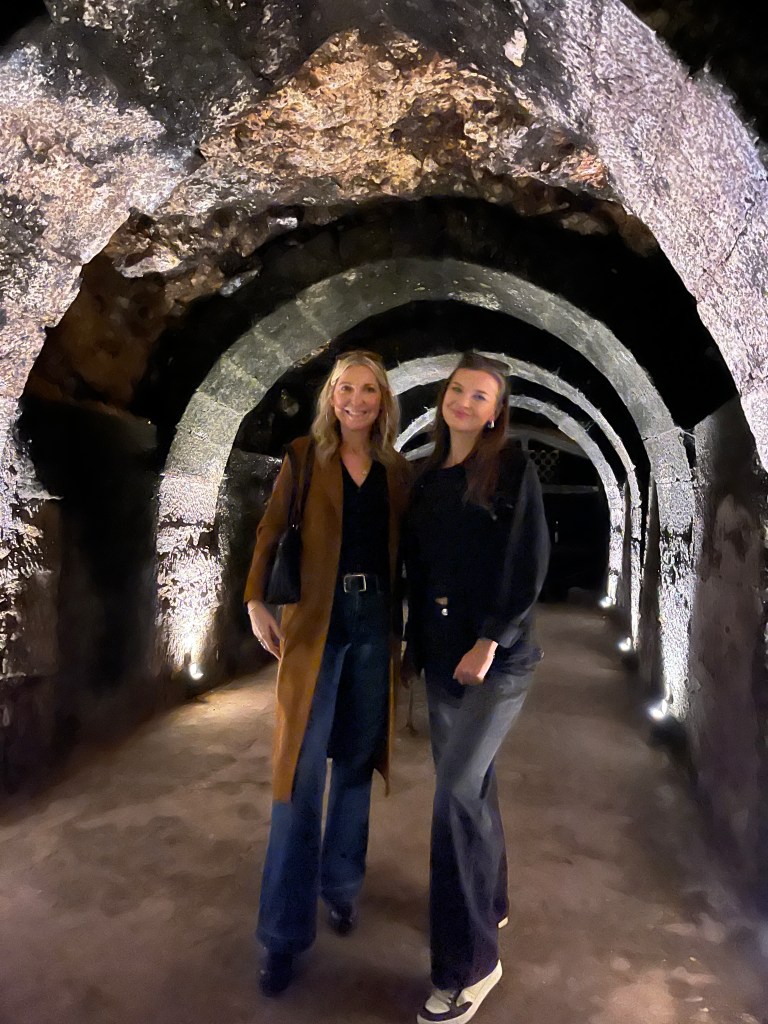
We ventured into the ancient underground cellars of Cor de Mei – absolutely incredible! Dating back to the 16th and 18th centuries, the stone archways and soft humidity make it the perfect resting place for wine. As we stepped through the tunnels, Alberto flicked on the lights — a warm, amber glow revealing rows of oak barrels stretching into shadow. When we complimented the ambience, he smiled and credited his wife, Susana, who designed every detail, from the lighting to the spectacular tasting room above ground.
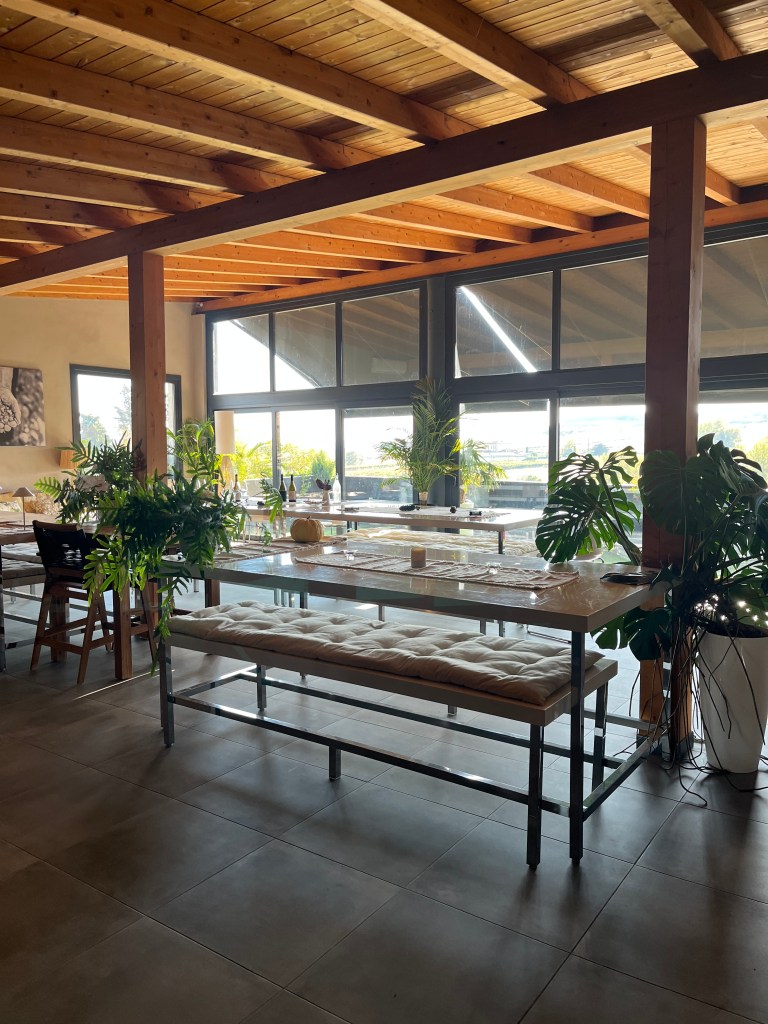
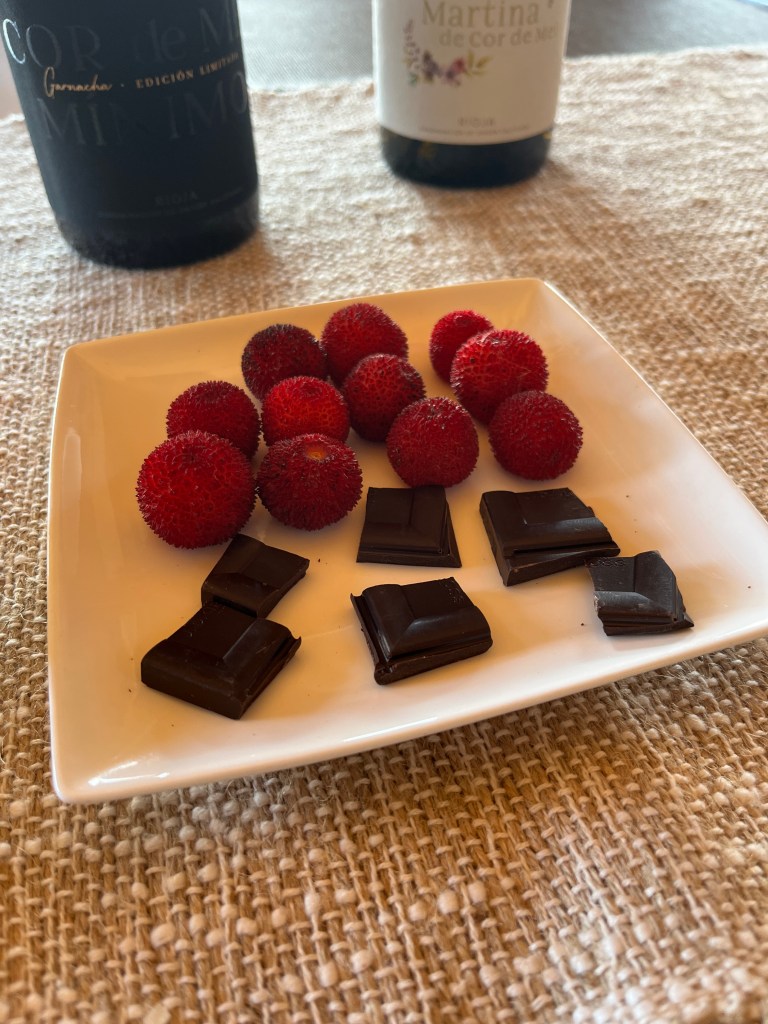
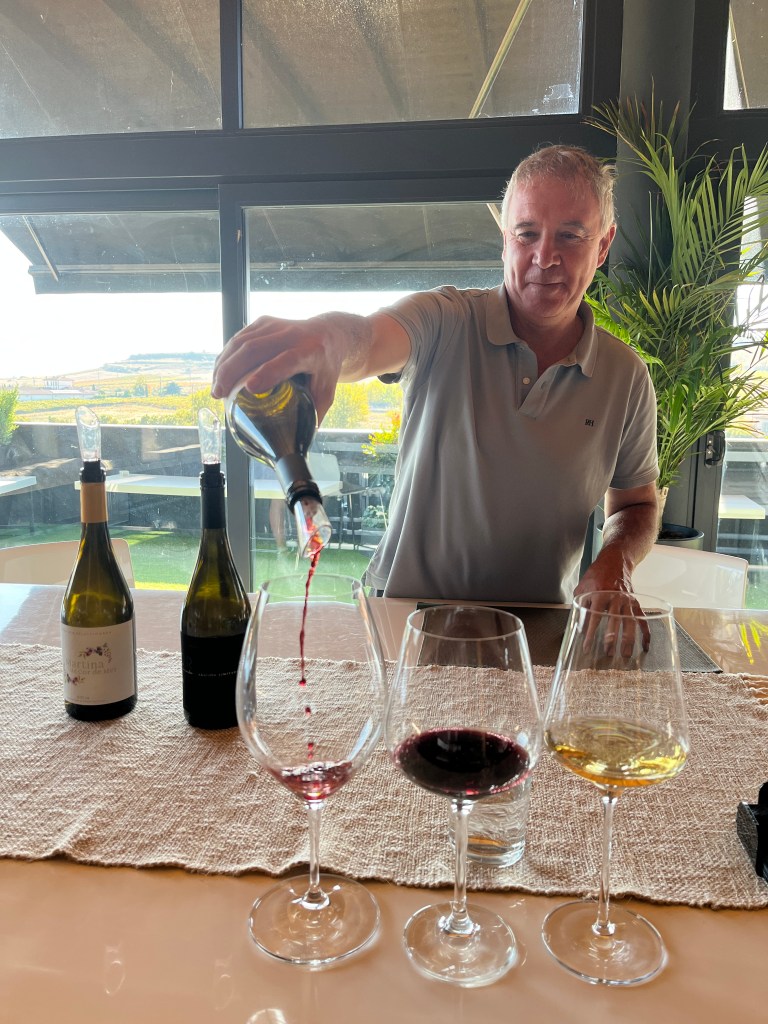
Cor de Mei is the sweetest name — and the truest. Cor means “heart” in Latin, and Mei means “wine” in Persian: The Heart of Wine. Alberto produces just 16,000 bottles a year, with a focus on quality over quantity along with patience and precision.
We tasted three wines that perfectly capture his philosophy: a rare White Tempranillo, an elegant Garnacha, and an aged Tempranillo that redefines the classic Rioja style.
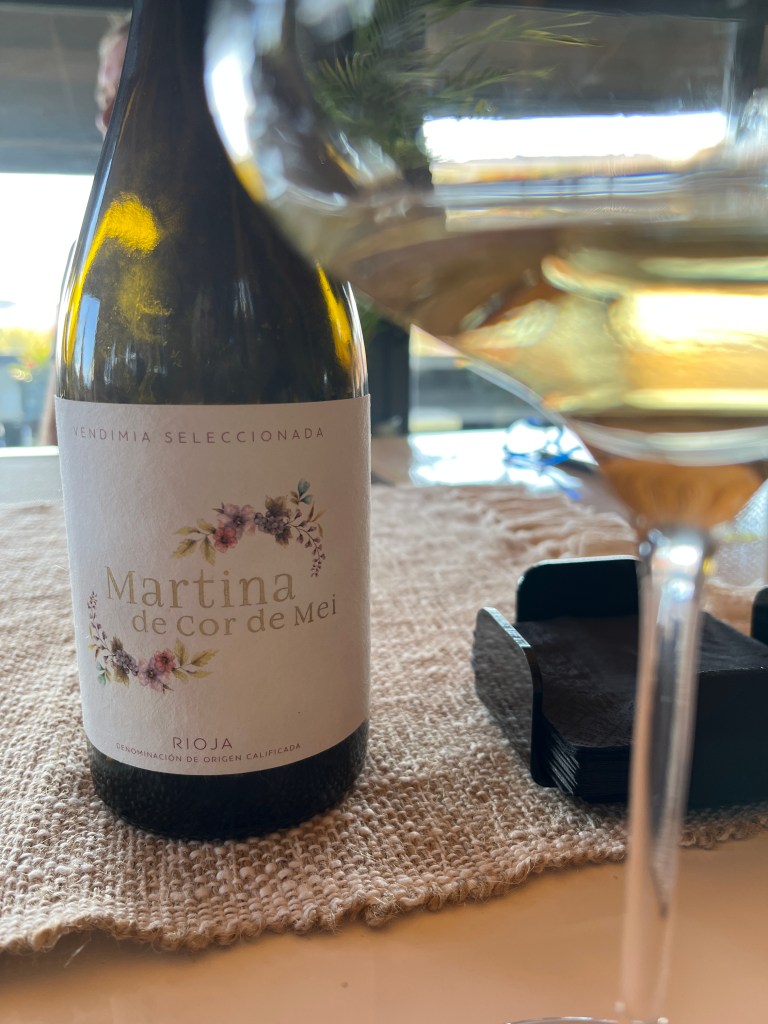
White Tempranillo — named for Alberto’s grandmother (which instantly made me love it more) — is a golden rarity with notes of grapefruit, green apple, and honey. It has the mouth feel and weight of a red, opening beautifully after a few moments in the glass. Only about 900 hectares of this grape exist in the world, and in Rioja it’s been cultivated for just over 15 years — still experimental, yet full of promise to add to Rioja’s stand-out portfolio.
Garnacha — lush, aromatic, and proudly standing on its own; proof that Garnacha no longer needs to hide in a blend. Once overlooked, the “Cinderella grape” of Rioja now shines in her own spotlight.
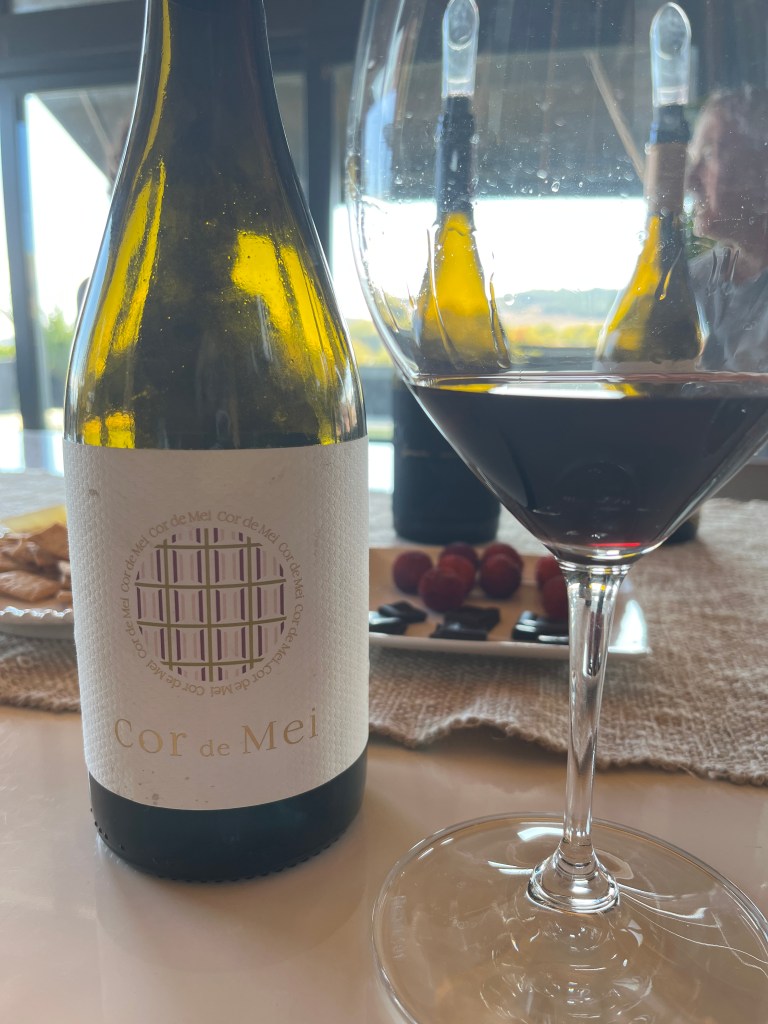
Cor de Mei 2014 Tempranillo — this elegant 100% Tempranillo was just released after 11 years of aging, including two years in French oak. Deep cherry-red with hints of chocolate, spice, and quiet power — it’s Rioja by the book, yet unlike any Tempranillo I’ve known. And I’m loving it.

Speaking of love — I was equally moved by the legacy of Felipe, Alberto’s father, who acquired the winery in 1956 and still works the land with the same steady hands that built it. In the tasting room, a black-and-white photograph of those hands holding Rioja’s earth hangs on the wall — a simple, powerful reminder of where the heart of Cor de Mei truly lies.

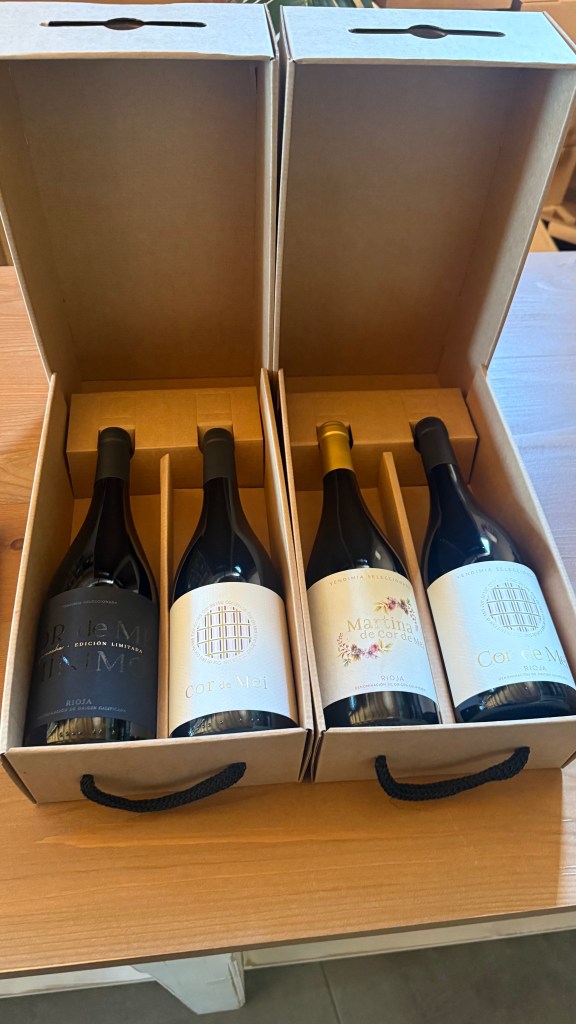
Cor de Mei wines are featured on wine lists in high-end restaurants in the region and around the world. As we left, Alberto handed me a wine opener — a butler’s corkscrew — a simple gift that’s now my favourite way to open wine, and a sweet reminder of the generosity and heart that define this special place.
Bodegas Tierra – Born from the Land
Next we crossed the Ebro River into the Rioja Alavesa region. It was a winding drive up a steep road to the medieval town of Labastida. Near the top, we found Bodegas Tierra.
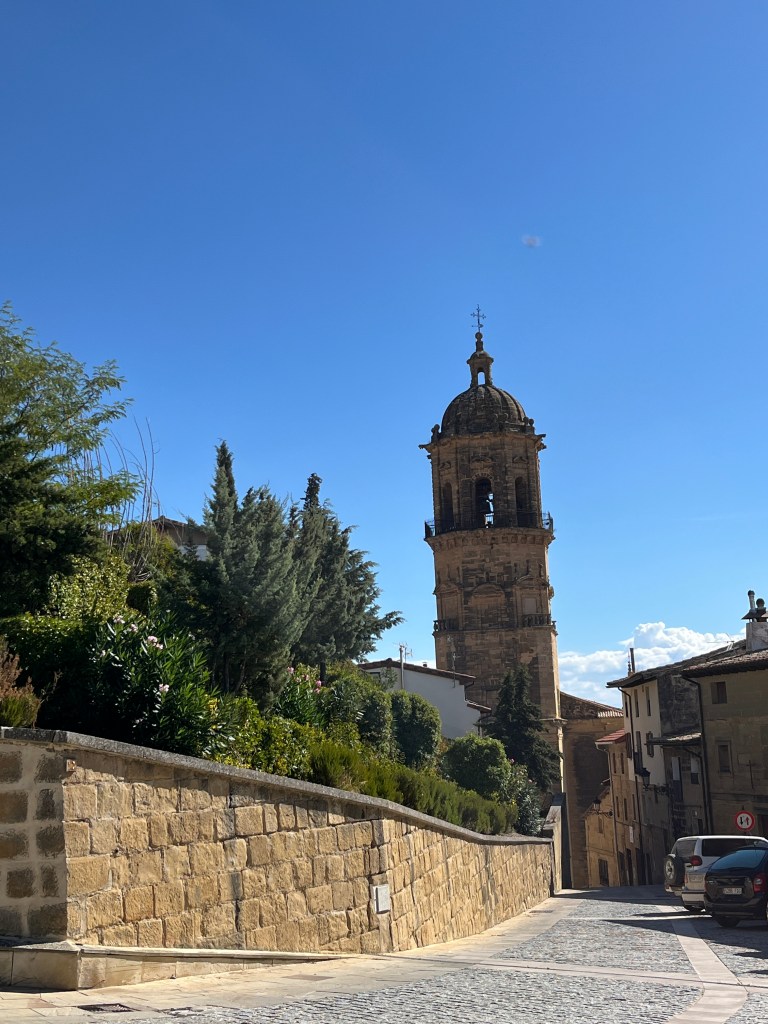
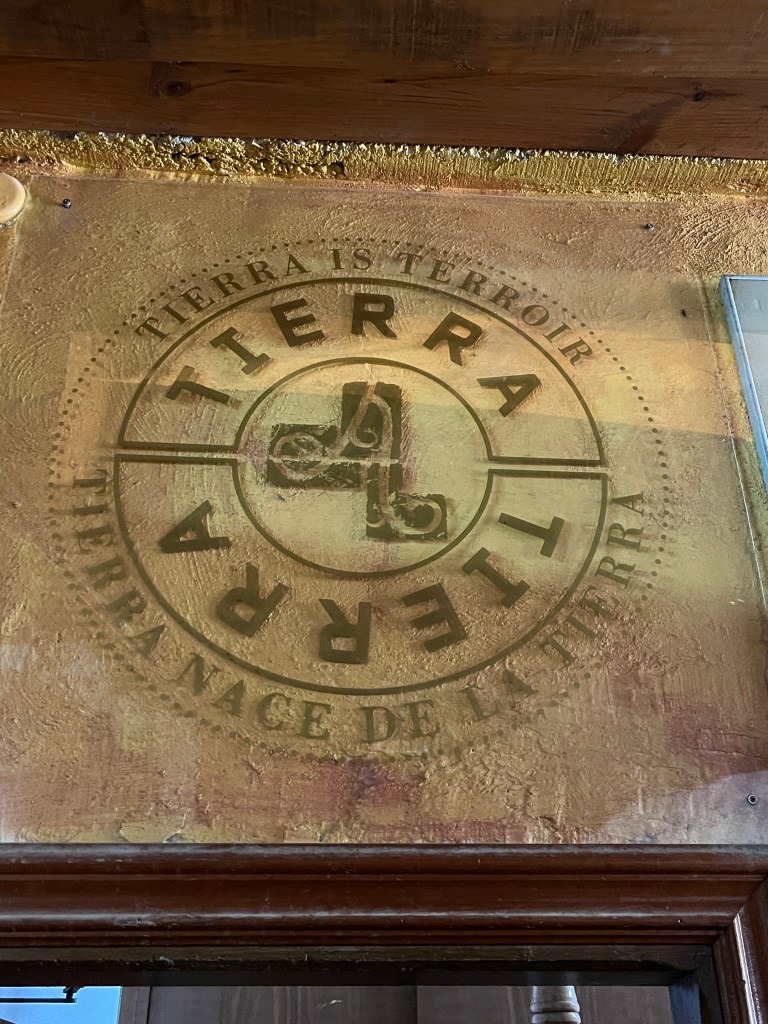

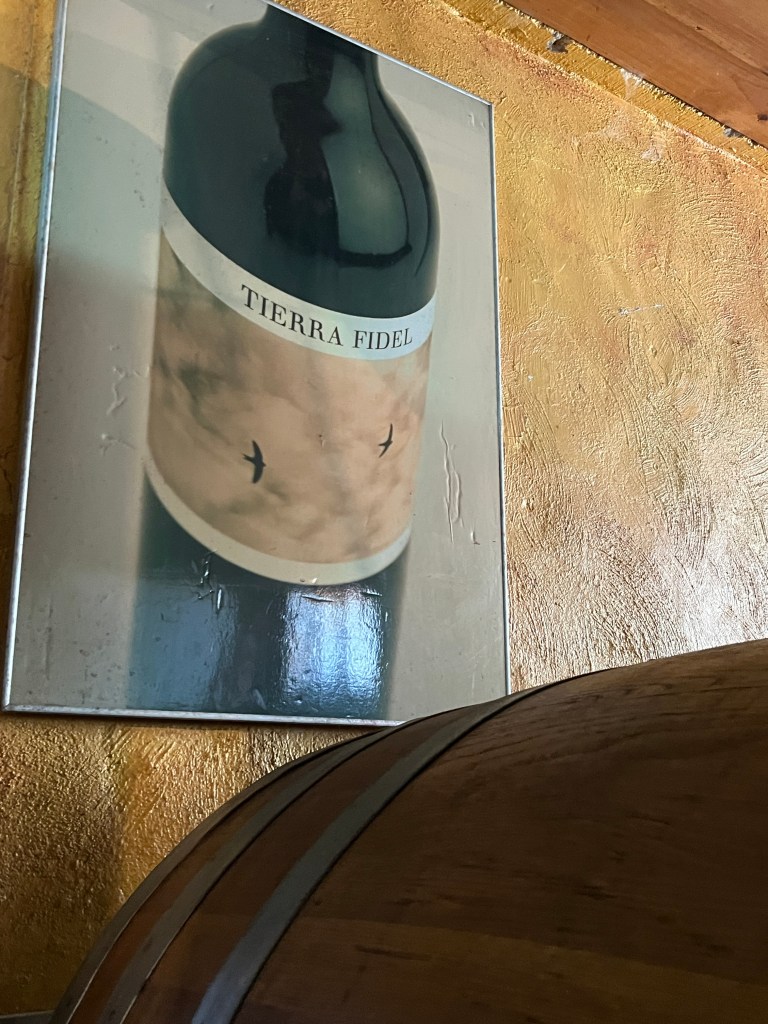
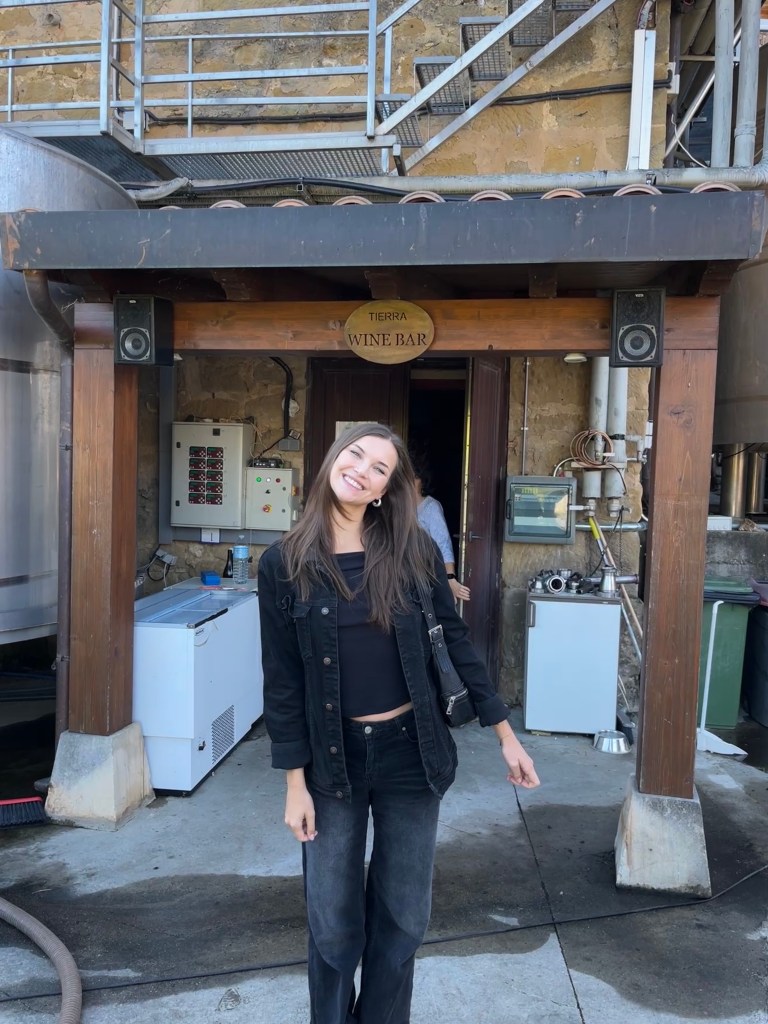
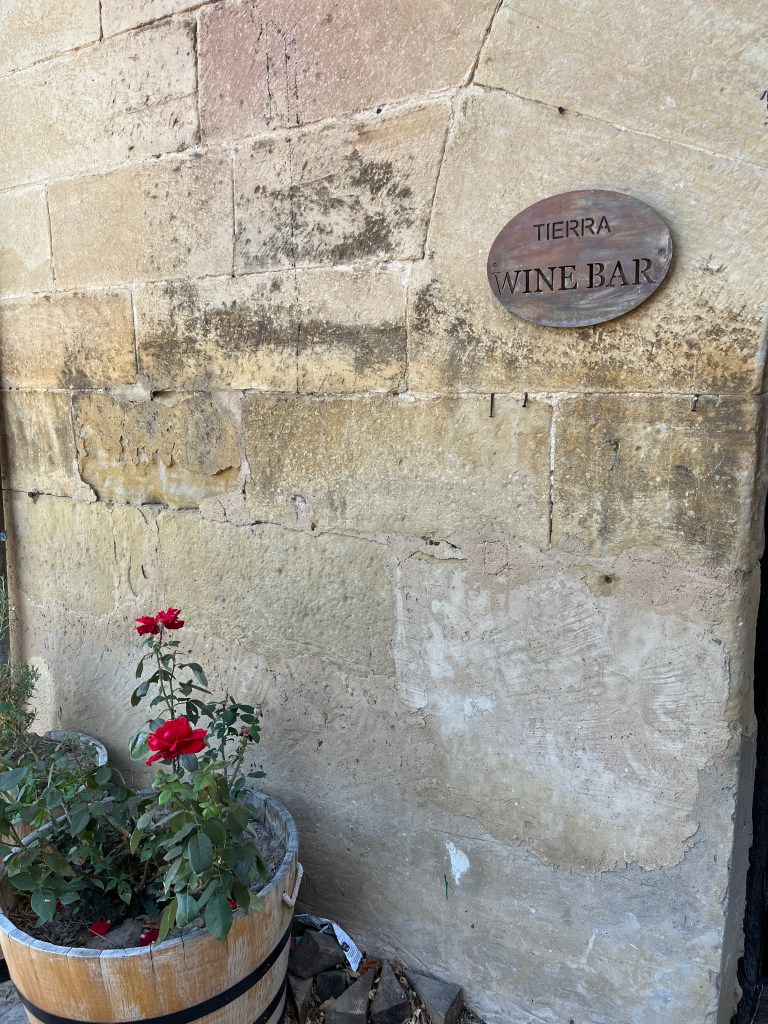
Somos Tierra — “We are Earth.” The welcome sign to the winery says it all. This is the life’s work of Carlos Fernández and his brothers, making 100% wines from Labastida, continuing their father Fidel’s legacy. On the tour, Inma explained that their philosophy rests on a “terroir triangle”: climate + soil + skill (with the grower as an essential element).
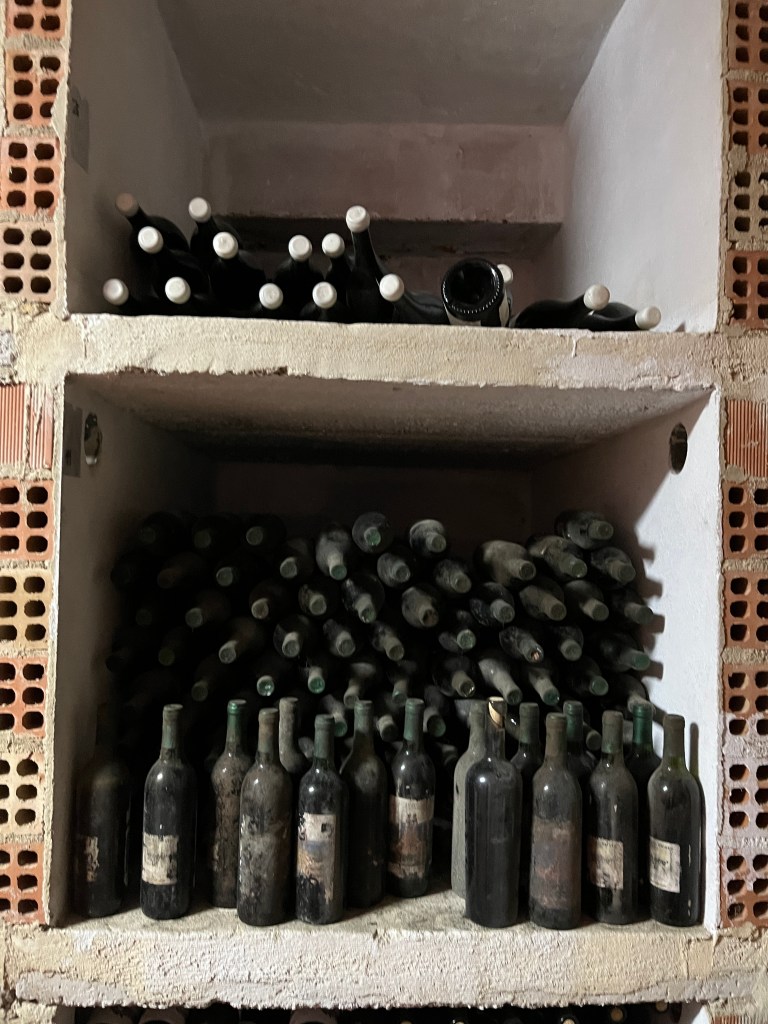
In addition to its fantastic wines, what also makes Tierra special is a network of four underground cellars, featuring ancient caves dating back to the 1400s and 1500s.
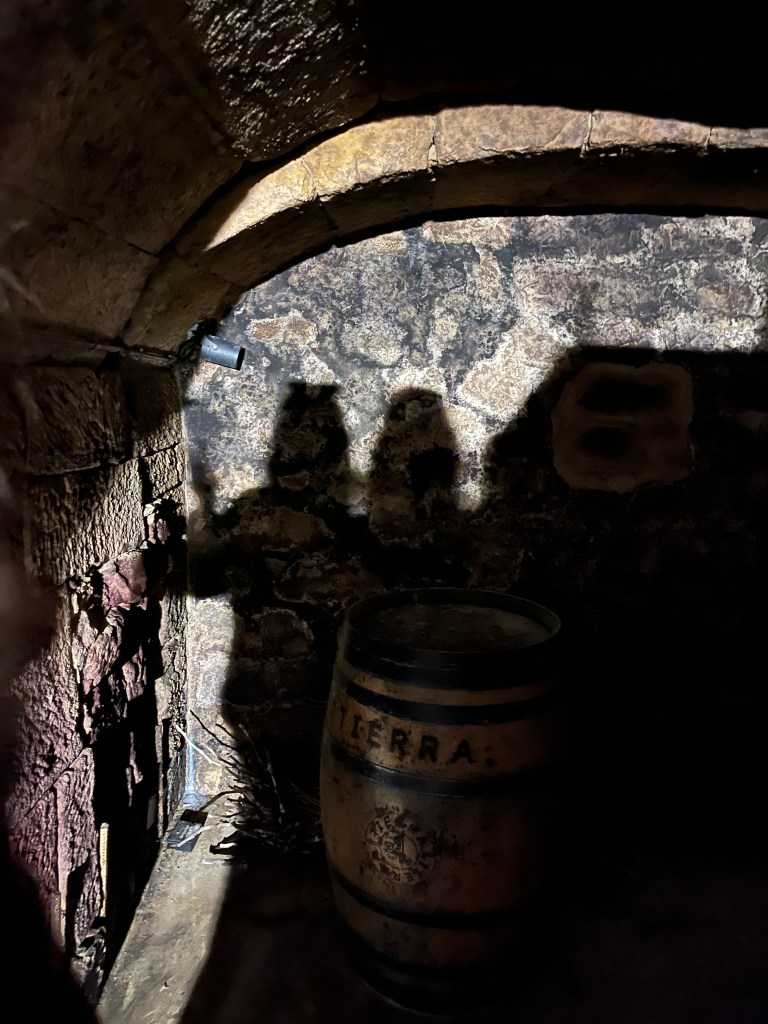
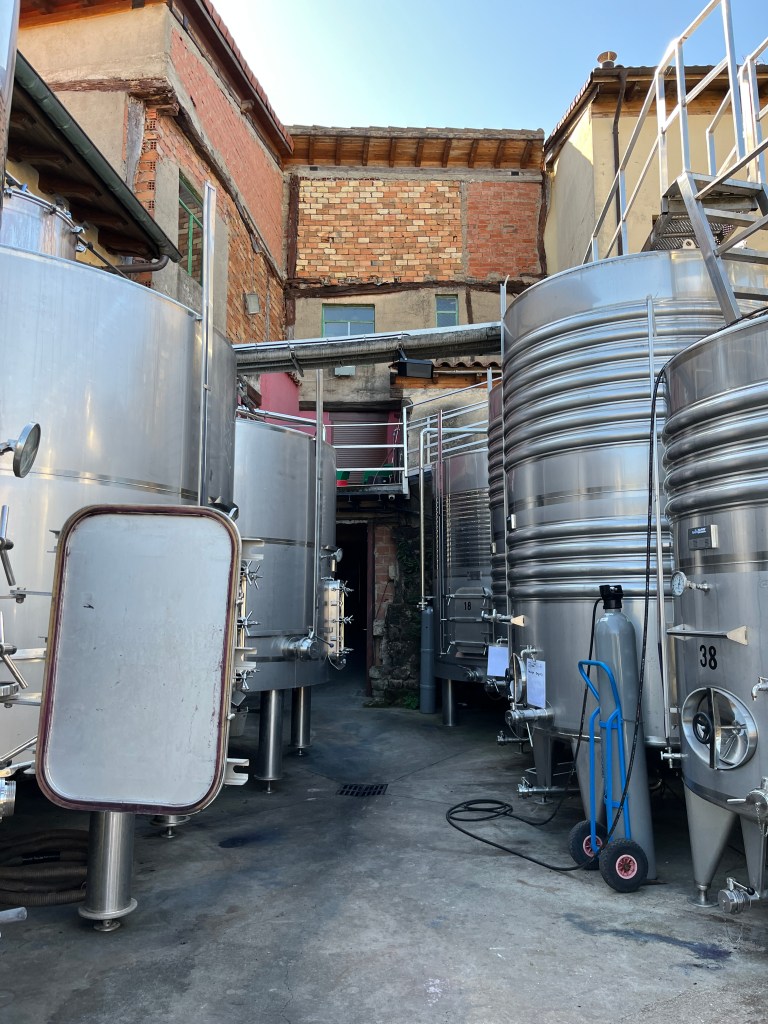
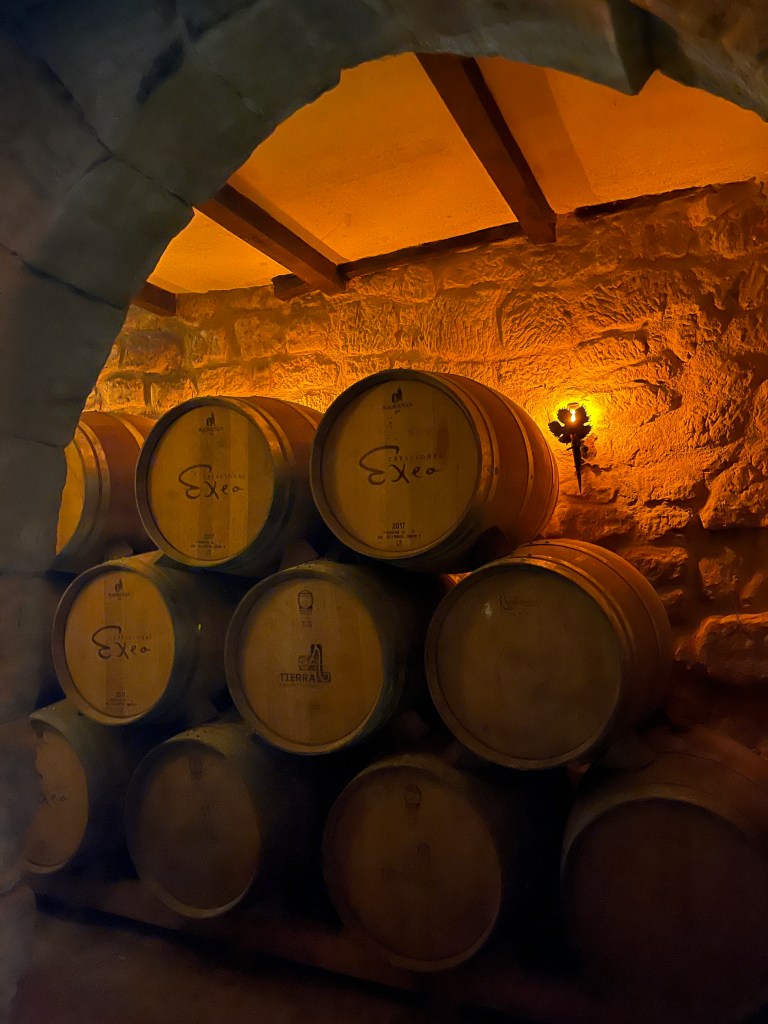
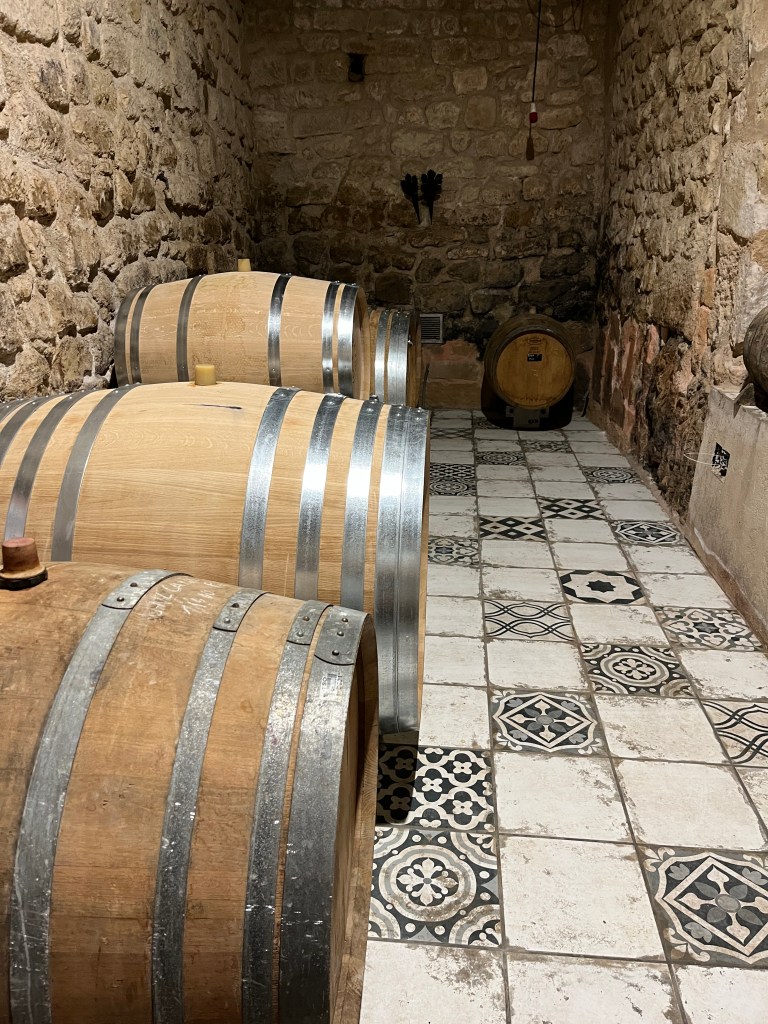


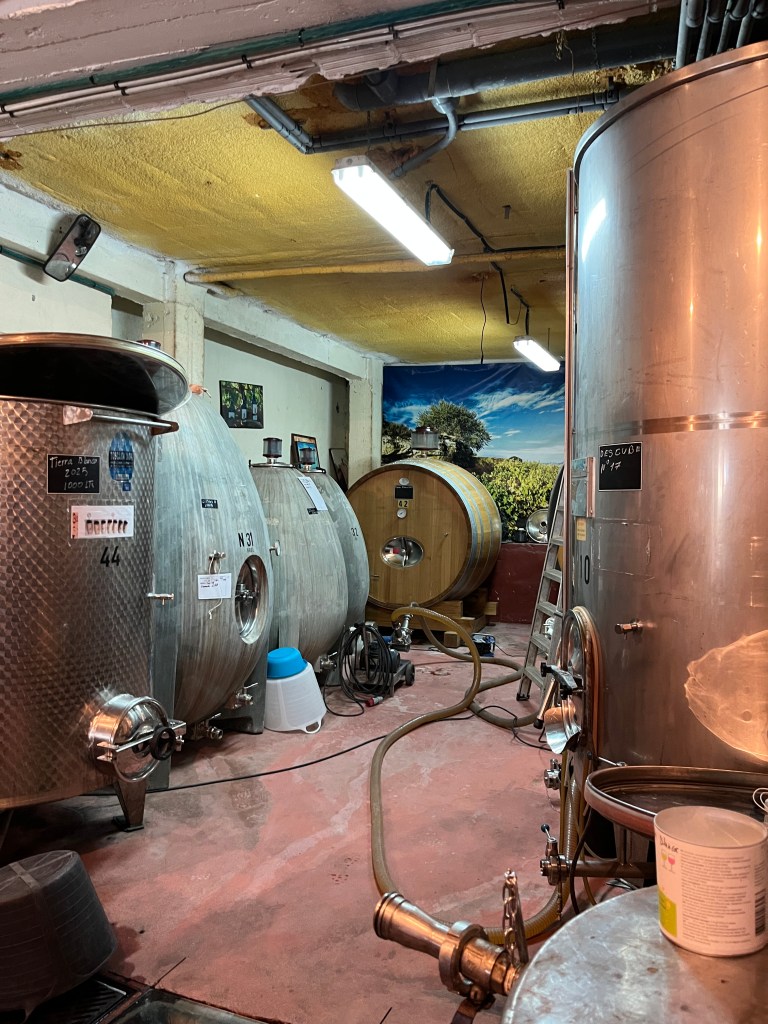
In the cellars, Carlos ferments his wines in concrete and wood but avoids heavy oak flavours. As Inma quoted him: “If I wanted to taste oak and wood, I would be a carpenter.”
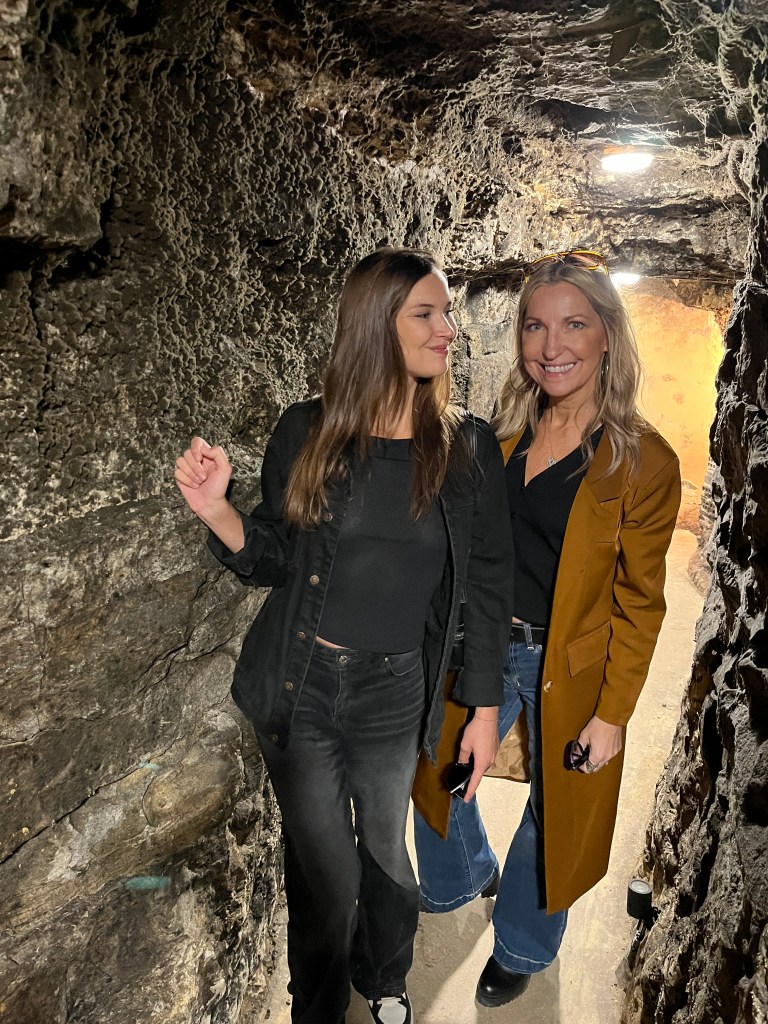
We met Carlos briefly — a passionate, brilliant winemaker with a rebellious spark and arms inked in wine-inspired tattoos that tell their own story. “A rule breaker,” Inma called him with a grin. His wines speak of the land itself — and he was among the first to label them by village. Beyond his own barrels, Carlos is respected for his collaborations and helping promising young winemakers find their footing and opportunities in the industry. It’s that blend of tradition and bold innovation — all grounded in a deep respect for this land — that makes him such a force in modern Rioja.
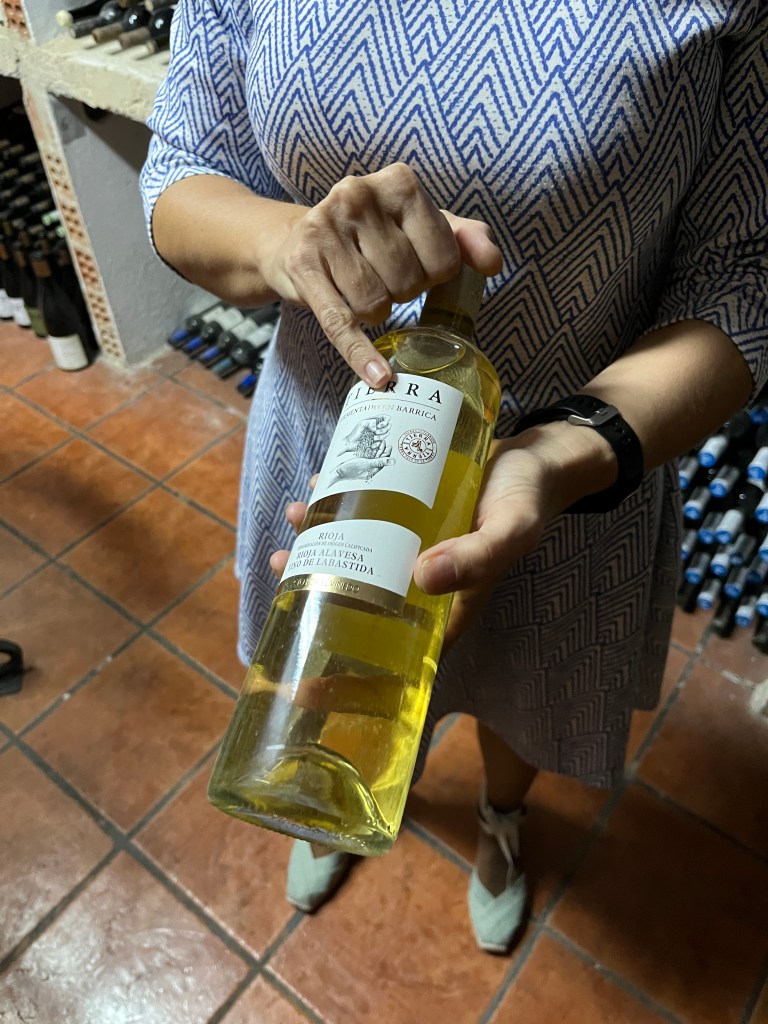
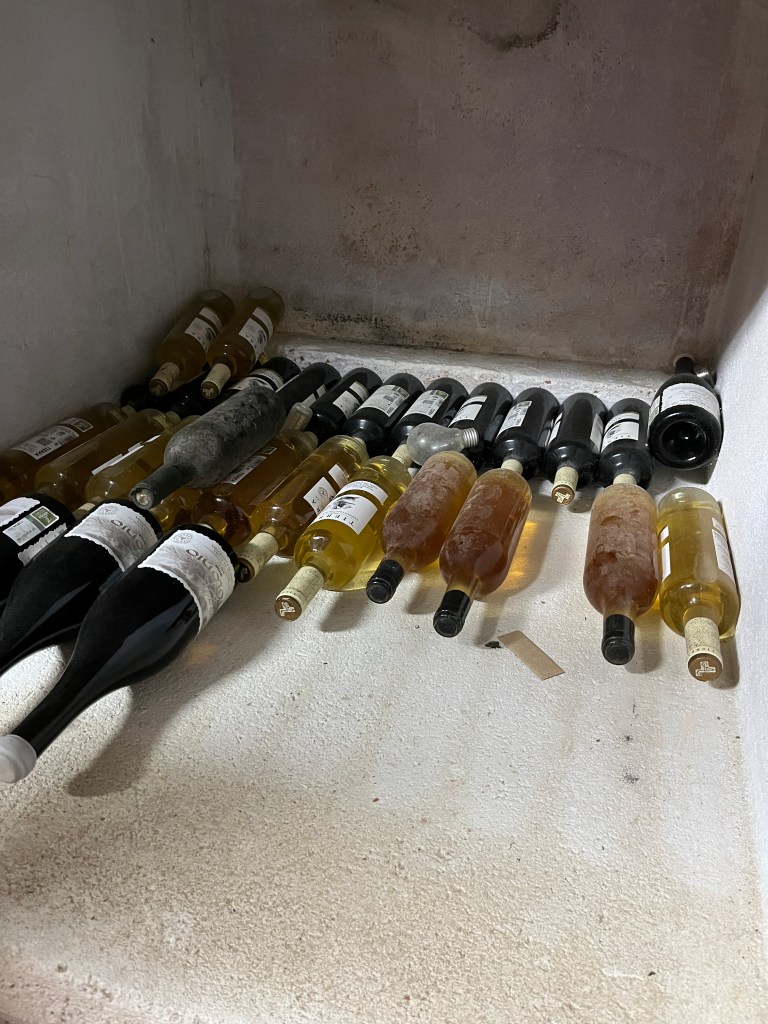

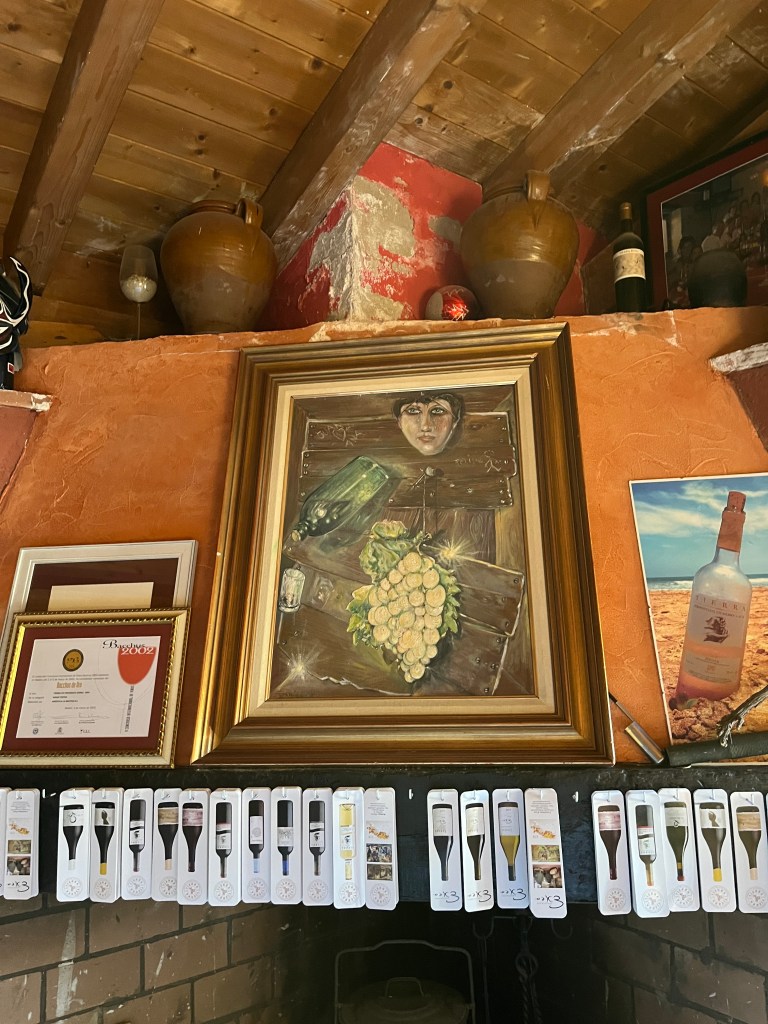

In the tasting room, decorated with eclectic artworks, medieval relics, a sweet wine dog named Rufián, and an incredible view of the Sierra de Toloño out the window, we enjoyed three wines. Two under the label, Creaciones Exeo, a personal project of Carlos’ that steps away from tradition, plus a taste of one of his most exceptional wines under the Tierra label, made with grapes from the ancient vines.

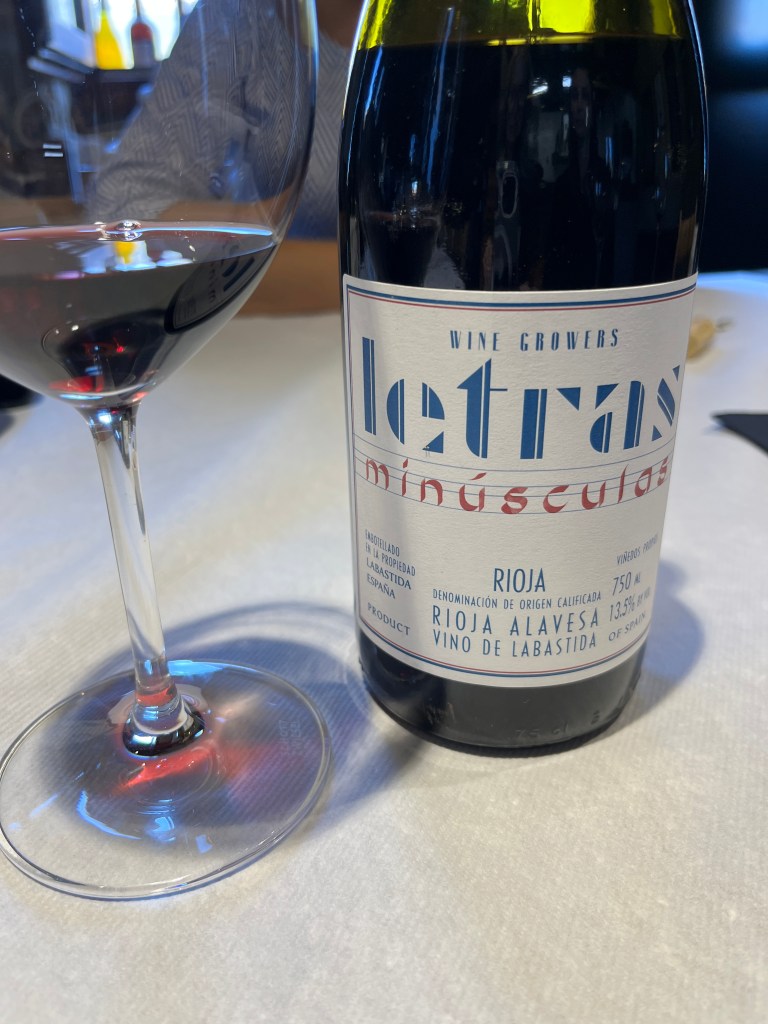
We began with letras minúsculas — it’s name literally “lowercase letters,” a playful, humble red blend perfect for sharing and unbelievably just €11 a bottle (yes, we bought a case 😉).
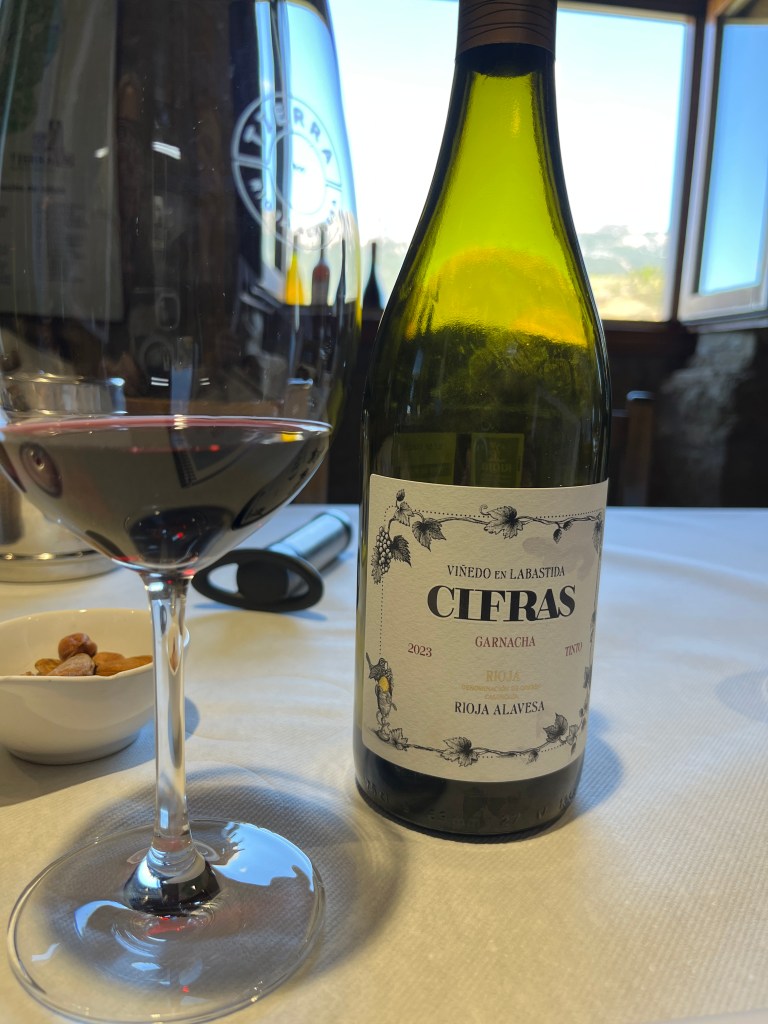
Then came Cifras, a pure Garnacha, which I really enjoy, aged in concrete eggs, bursting with red fruit and finesse. Just as we were savouring the last sip, Carlos appeared again, smiling: “Wait until you try El Belisario.”
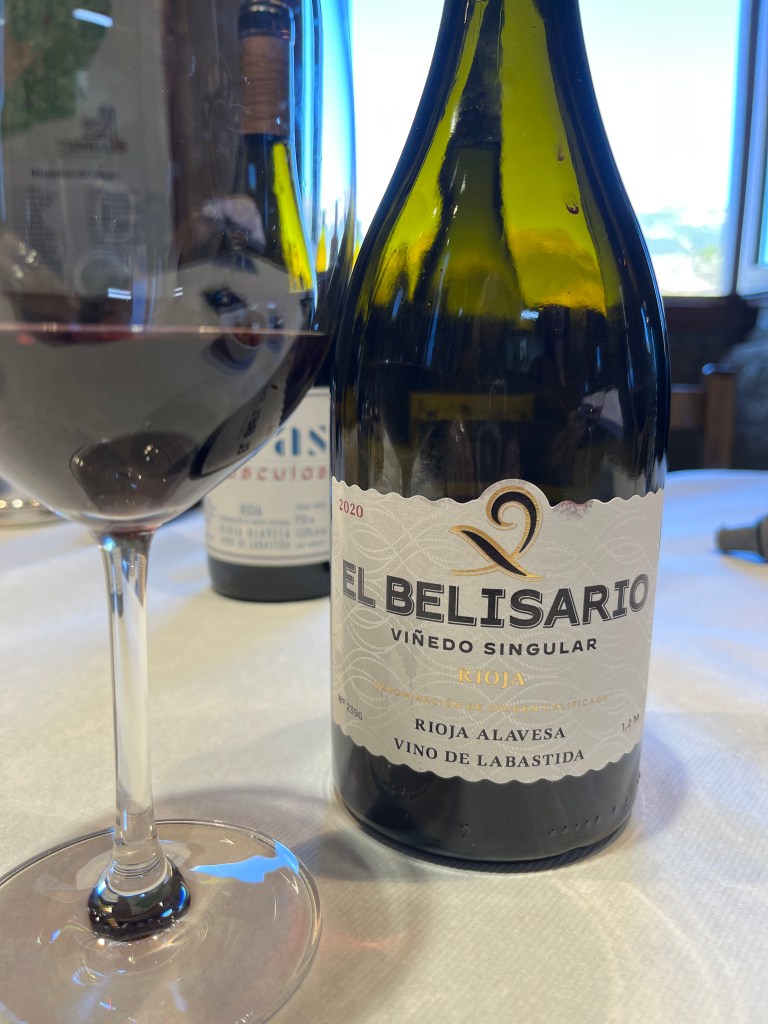
And so we did. El Belisario, his legendary single-vineyard Tempranillo from the oldest vineyard “Cuba Negra” planted in 1910. This small batch wine is one of Rioja’s top rated Viñedo Singular wines (96 points, Tim Atkin 2024). Needless to say, a couple of those bottles made the trip home with us too.
Cupani – Legacy in every vine
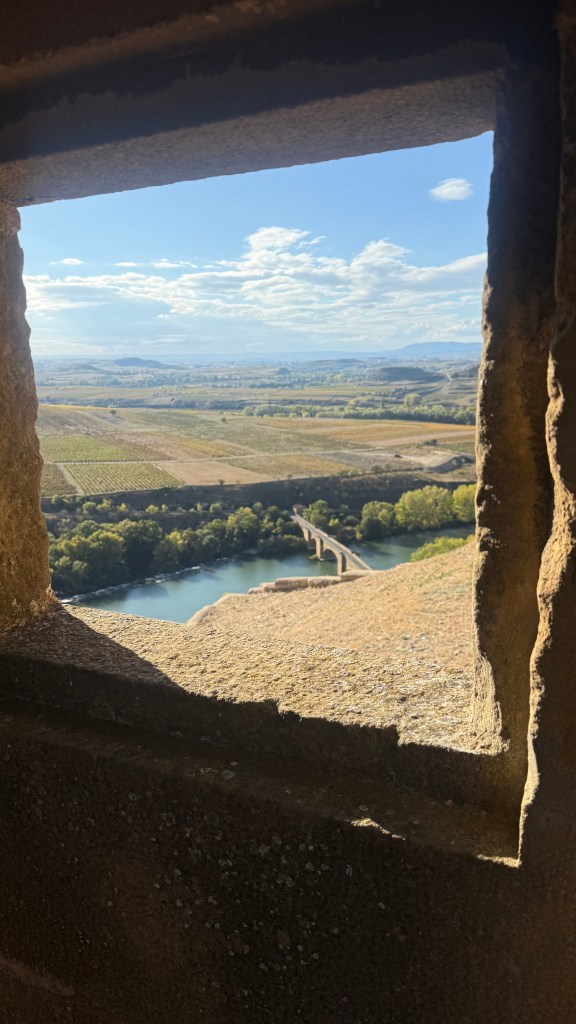
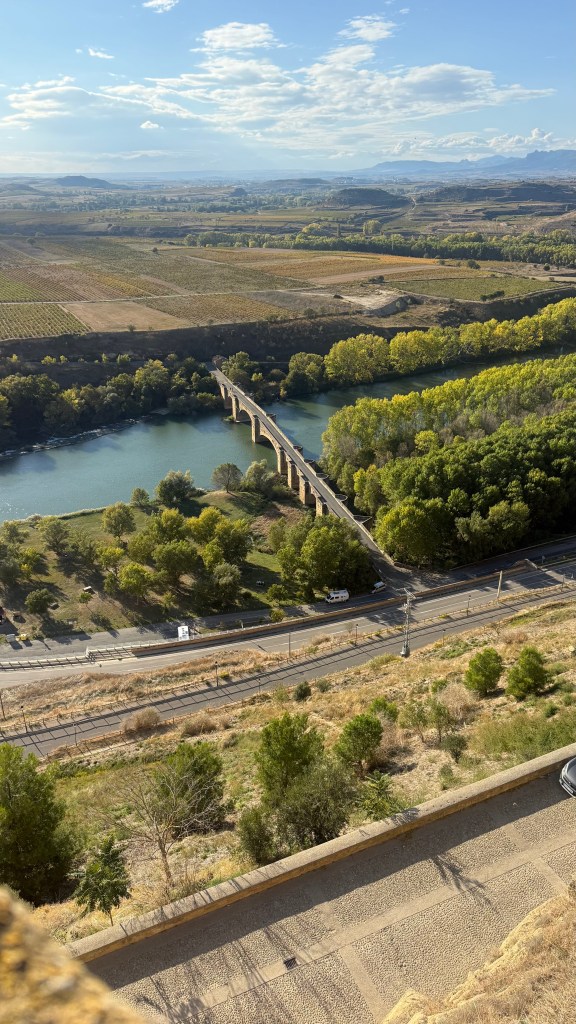
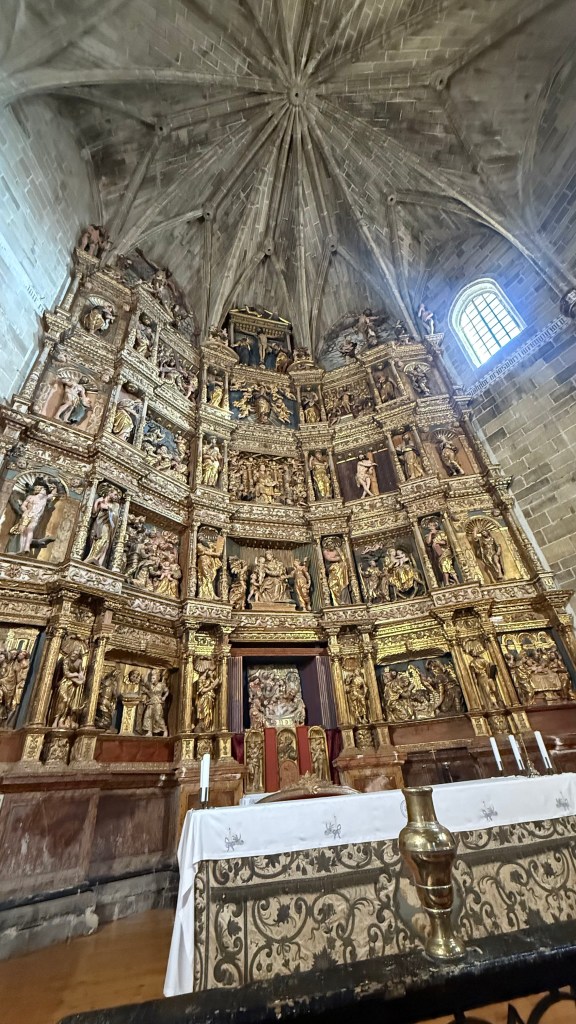
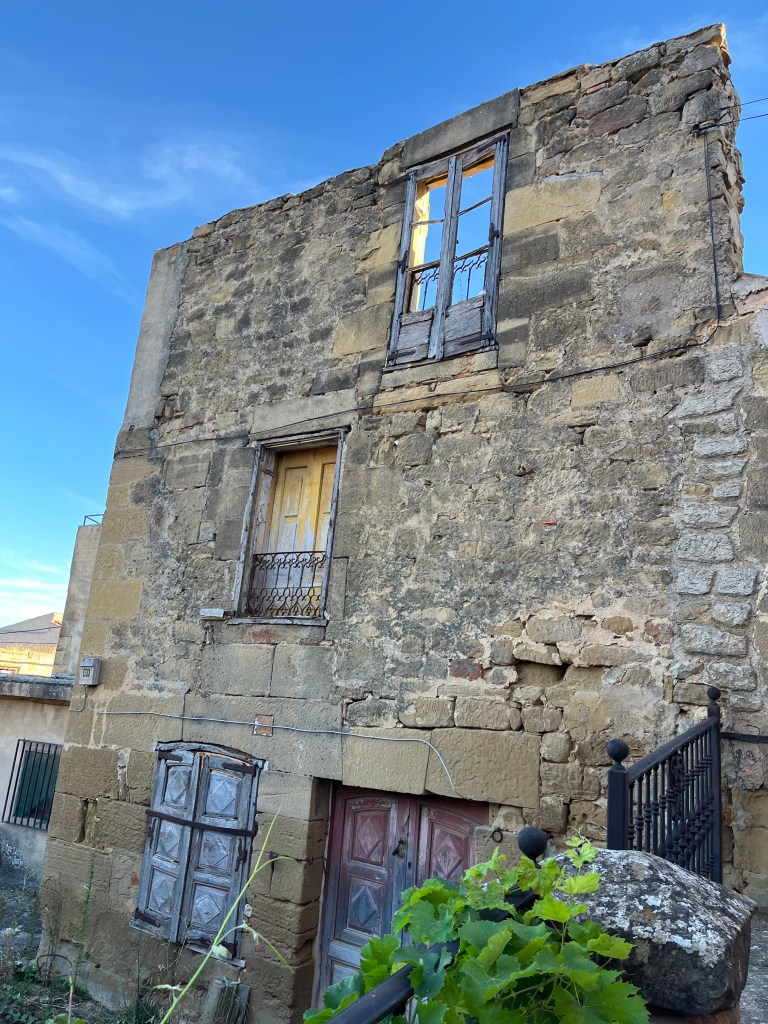
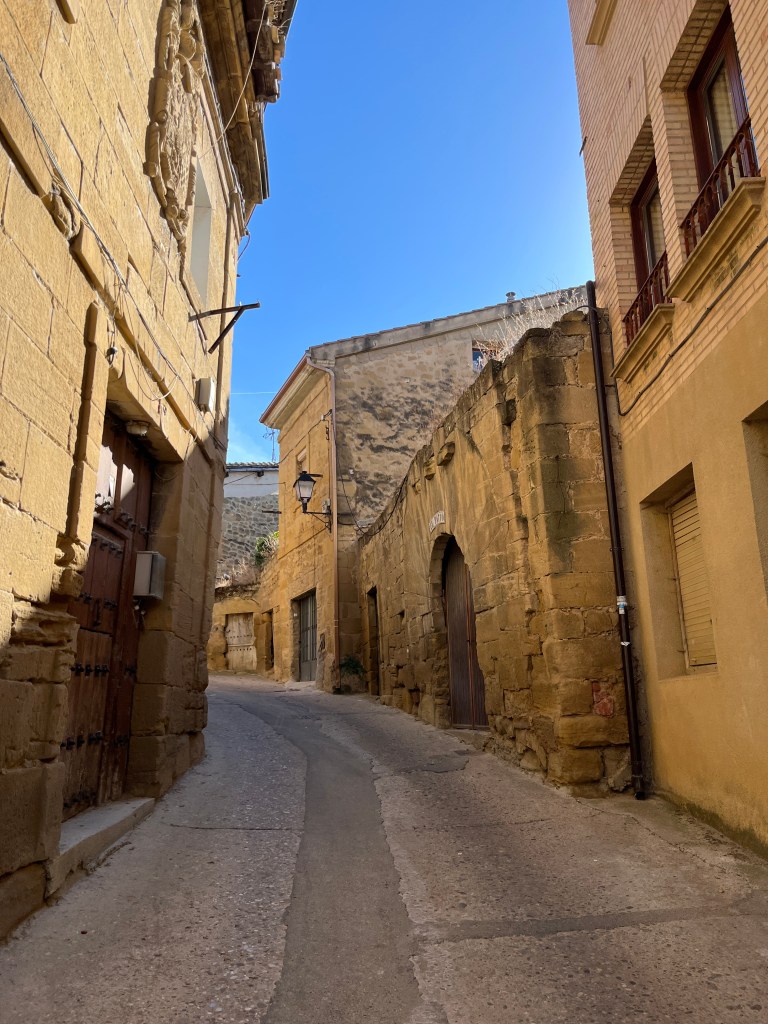
Our final stop took us to San Vicente de la Sonsierra, one of Rioja’s most picturesque villages. Perched high above the Ebro, its ancient castle ruins and Gothic-style church overlook endless vineyards rolling into the mountains and a 13th-century medieval bridge. The view from the top is breath-taking. It’s the kind of landscape that reminds you why Rioja is both a wine region and a feeling.
Here we found Cupani — a lovingly restored 16th-century winery led by Enrique Eguiluz, his wife Magdalena de Mendoza, and their sons, Enrique Jr. and Miguel, who carry forward the next generation of Rioja’s winemaking spirit. With a deep respect for the land, Enrique Sr. was among the first in the region to embrace organic viticulture — a philosophy his sons continue with equal devotion. Their 16 hectares of old bush vines yield fewer than 13,000 bottles a year, each one an expression of patience, place, and unwavering pursuit of excellence.
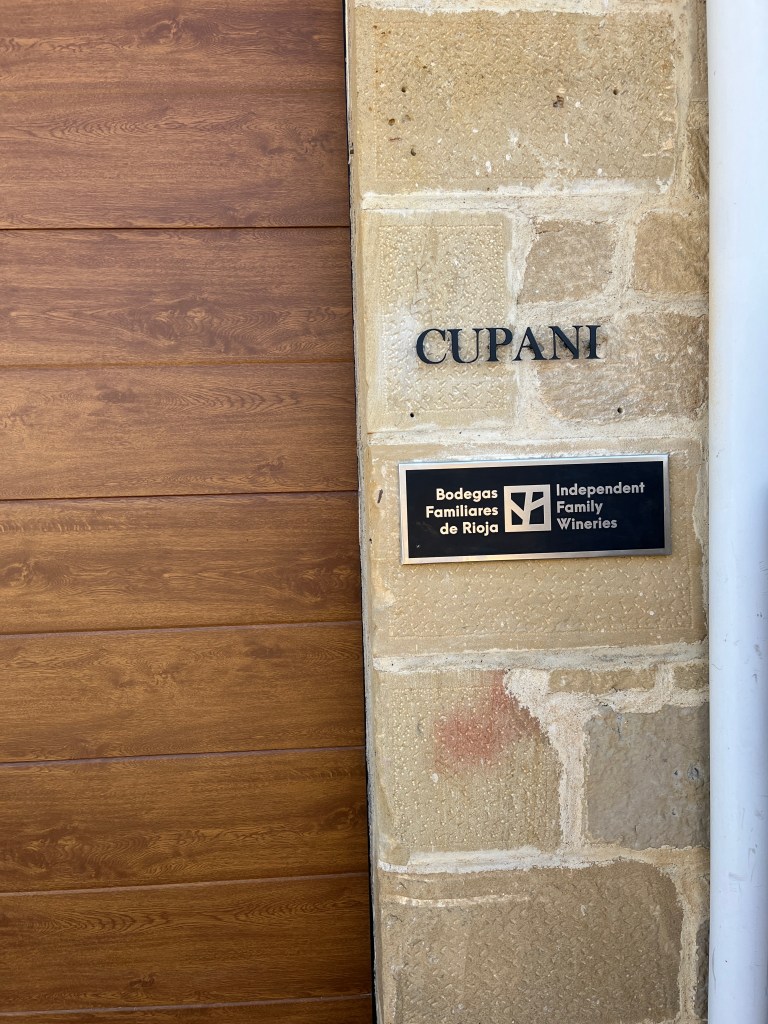
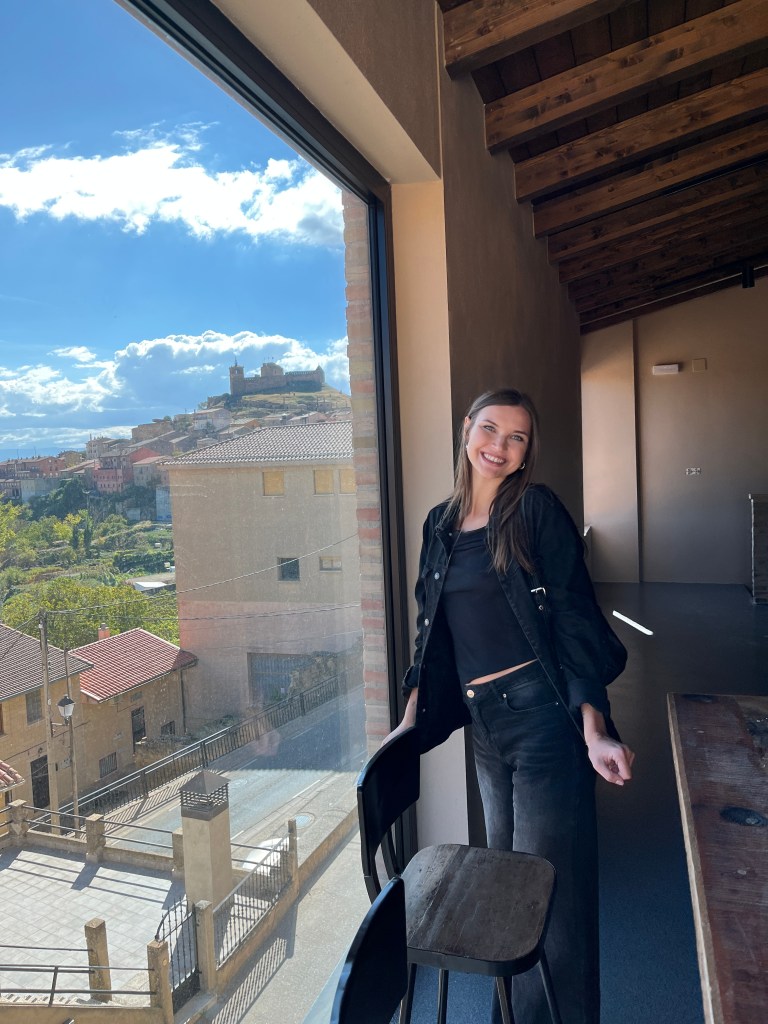
Enrique welcomed us with the kind of warmth that feels instantly familiar — generous, genuine, and deeply proud of his family’s legacy. Inside the winery — modern yet inviting — he showed us how they hand-press their grapes, a simple but beautiful reminder of the craft behind every bottle.
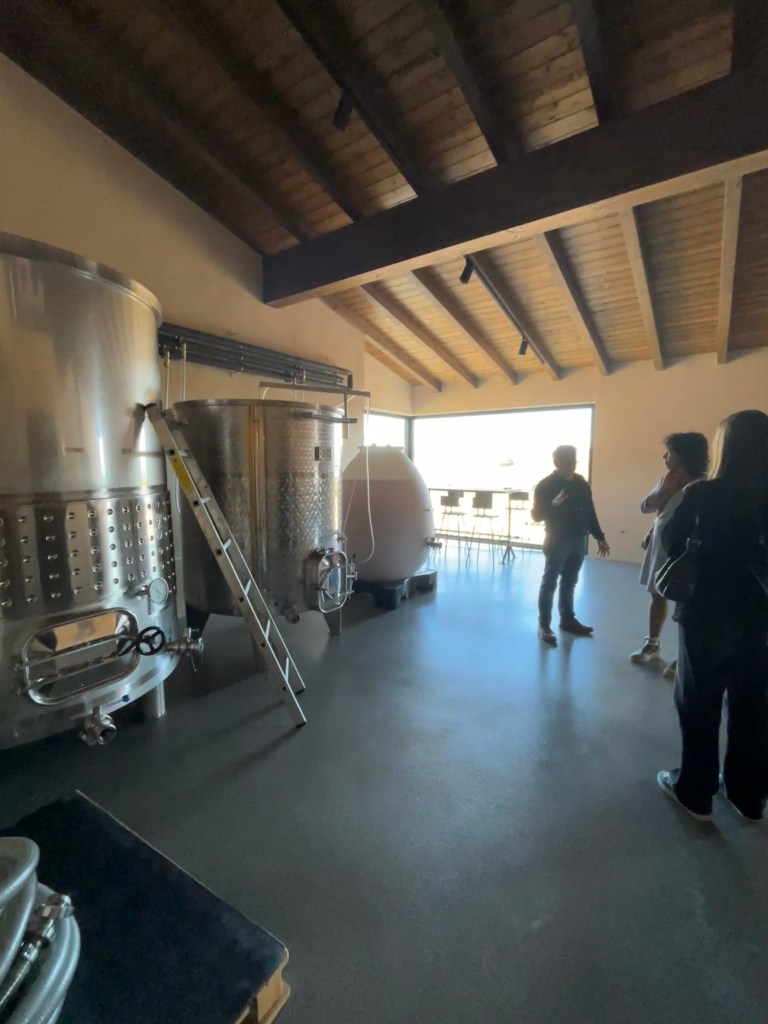
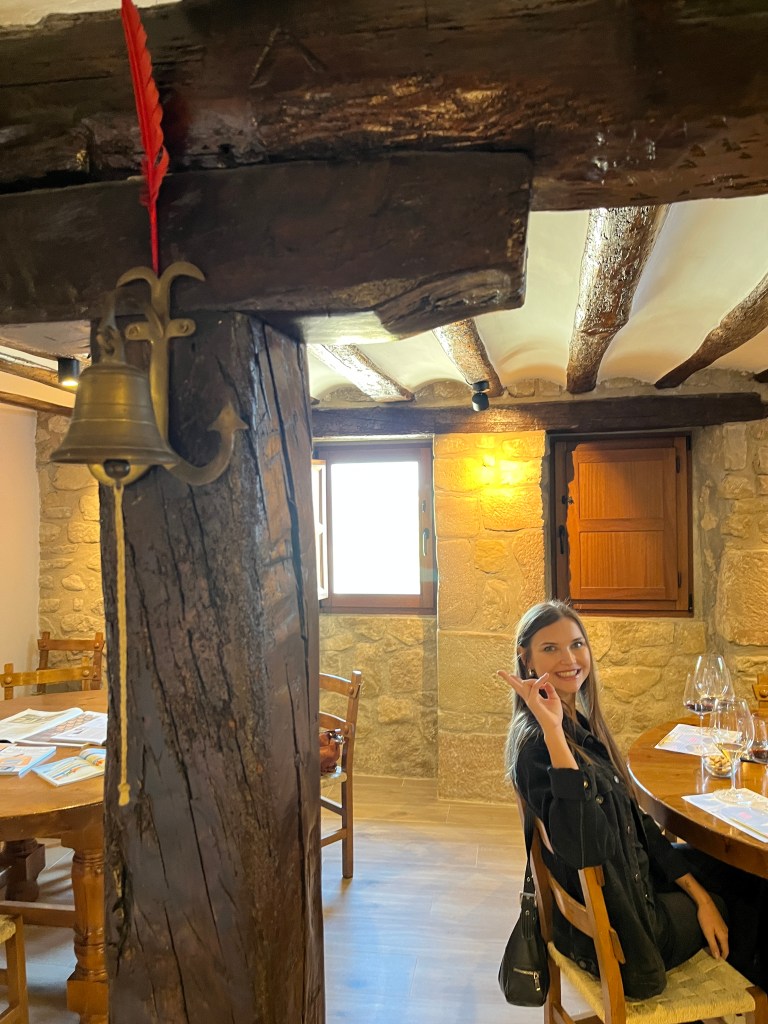
We sampled four beautiful Cupani wines:
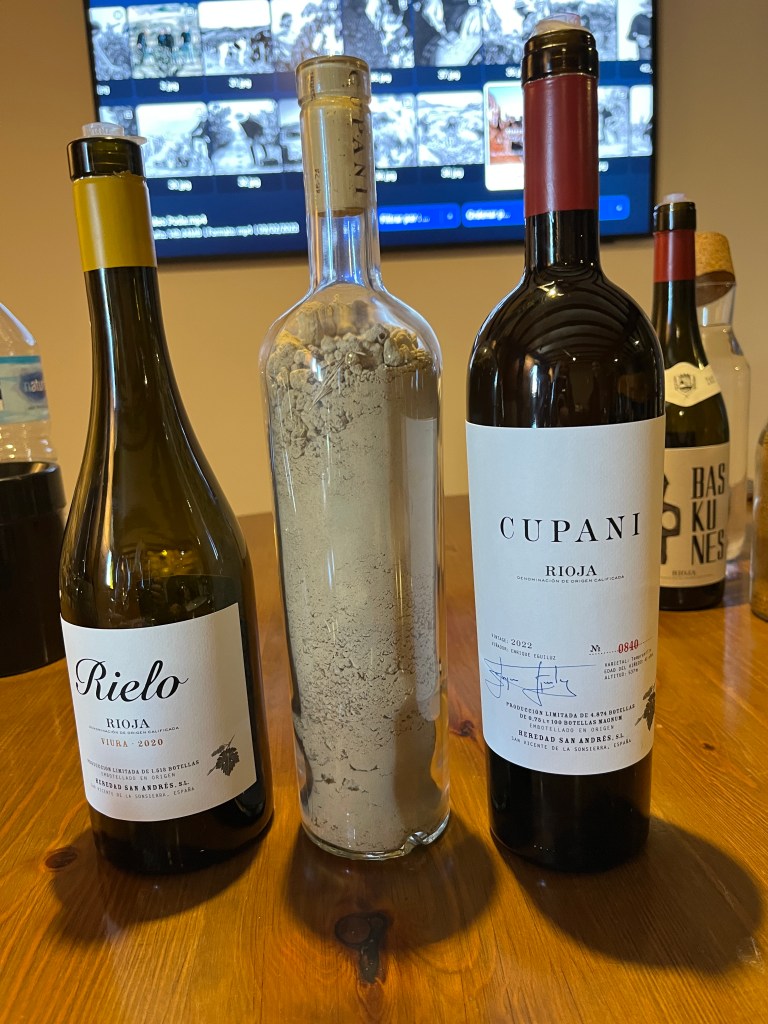
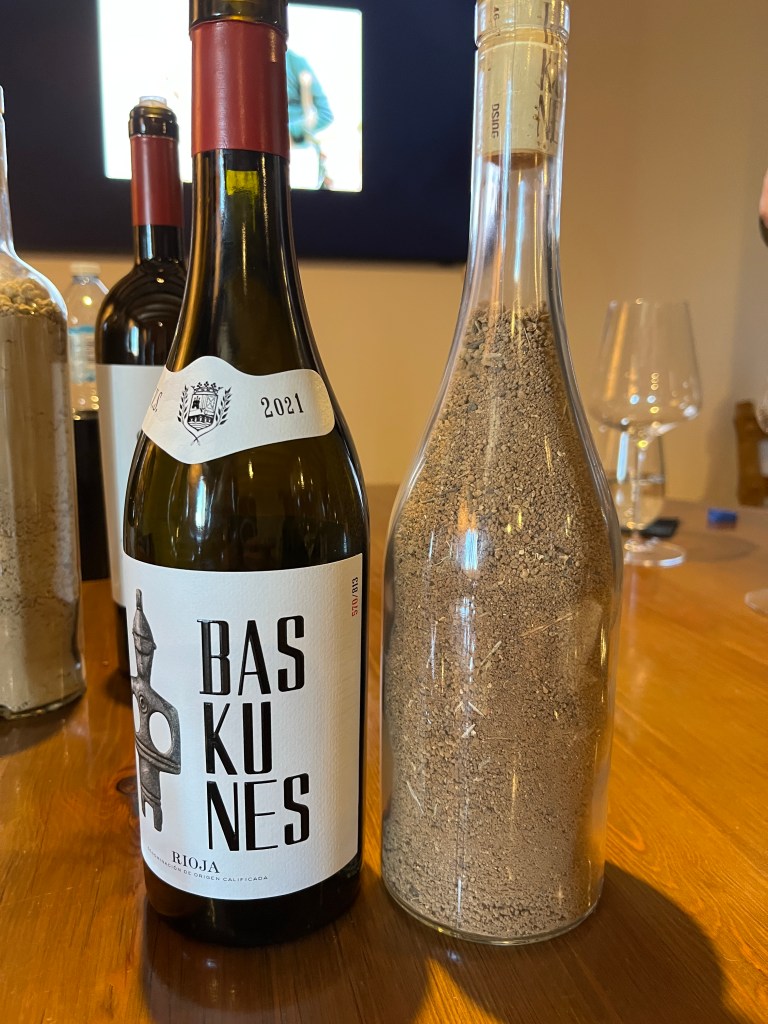

Rielo Viura 2020 — an old-vine white, bright and elegant with a whisper of oak and long finish.
Cupani Rioja — 100% Tempranillo – fruit-forward, smooth and full of joy.
Baskunes — just 1,300 bottles from three decades-old Tempranillo plots, full-bodied, well-structured, with a silky mouthfeel and long finish.
Sir Cupani — a 100% Tempranillo, hand-destemmed, and aged in French oak. Enrique Sr. personally selects each bunch — the “uvas de mediodía” or “midday grapes” — those kissed by the sun from east to south until 5 p.m. It feels so poetic, and you just know that this is going to be a very special bottle.
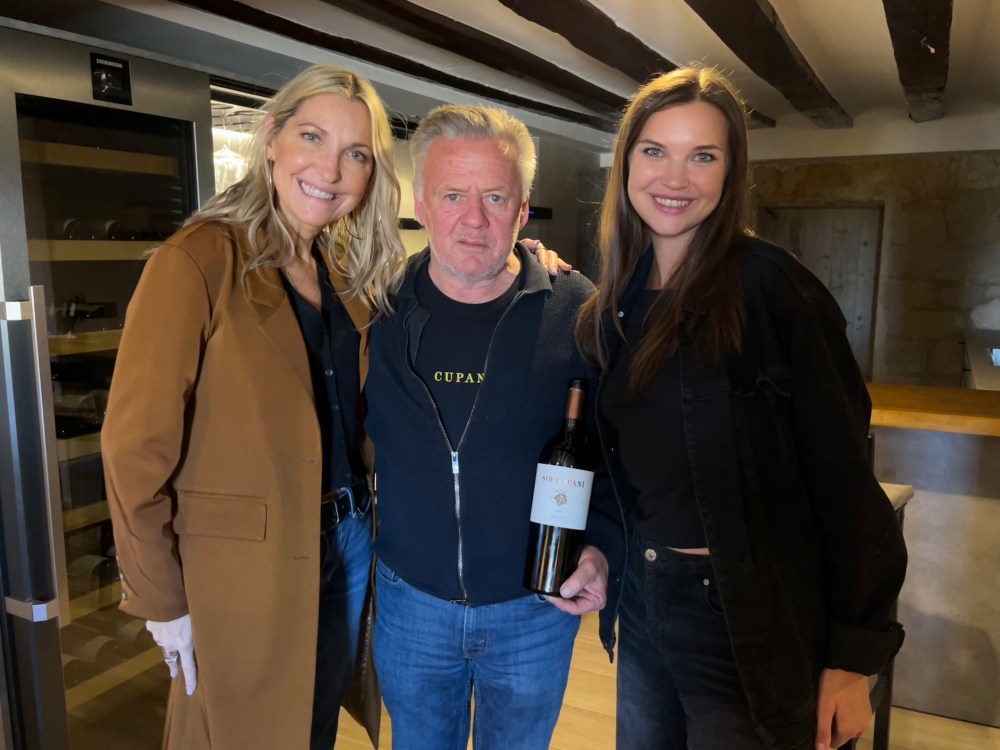
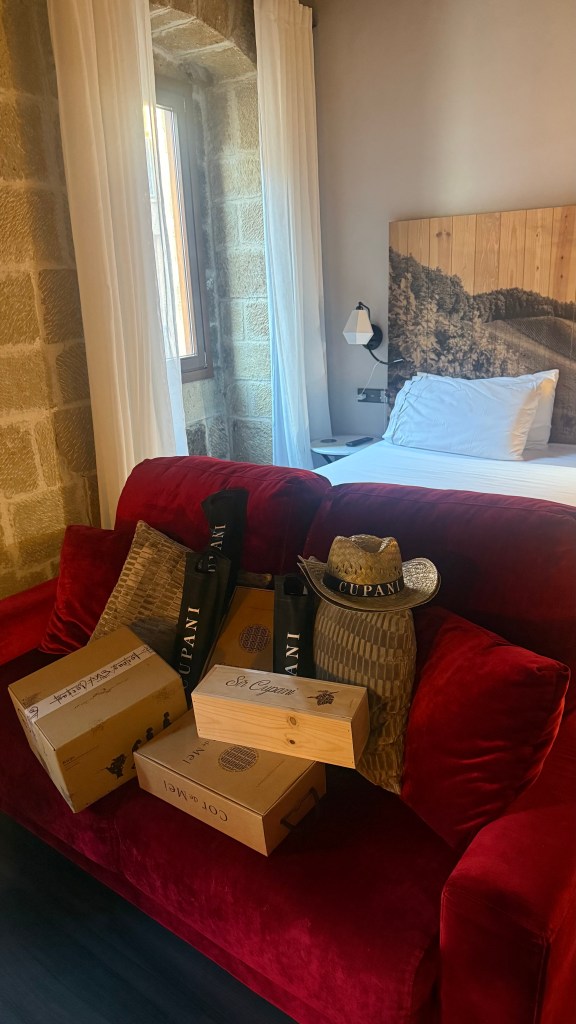
We left with a few bottles of our favourites including a beautifully boxed Sir Cupani. As we said our goodbyes, Enrique gifted each of us one of the winery’s signature straw hats — a generous touch and perfect companion for our next stop: the beaches of San Sebastián.
The Taste of Time
Driving through Haro, Rioja’s storied wine capital, we passed Barrio de la Estación – the old railway station district – built when French winemakers fled phylloxera in the 19th century and home to icons like Viña Tondonia and Bodegas Muga. These are names most wine lovers already know, but our journey focused instead on Rioja’s quiet revolutionaries — the small, soulful producers rewriting the region’s story.


Fun fact from Inma: the standout Rioja vintages to look for are 2019 and 2022 — both extraordinary years.
A Toast to Rioja — Where Time and Terroir Dance
As our days in Rioja drew to a close, I realized this region isn’t just about wine — it’s about time and place. Time measured not in years, but in generations; place shaped by sun, soil, and the hands that tend it.
From the modern shimmer of Marqués de Riscal to the quiet heart of Cor de Mei, the artistry of Tierra, and the soulful warmth of Cupani, a single thread ties it all together: authenticity.
Maybe that’s why this trip with my daughter felt so special. Rioja has a way of slowing you down to focus on what matters — of reminding you that life, like wine, is best when savoured.
It’s a region with a profound sense of place, where every bottle reflects not just the land it came from, but the people who shaped it — and, for me, the memories made while sharing it.

 My Wine Playlist